
Renting a router and modem from an internet service provider (ISP) is nothing new, however, many might not be taking into consideration how much they are really paying for that equipment, and especially over the long-term.
With the COVID-19 pandemic proving how access to the internet is more important than ever, having a reliable and consistent connection can come down to the type of router and modem used. Most ISPs will be quick to point out how their approved solution is optimized for their network, and just by signing up, many will be agreeing to a charge for the equipment - even if they don’t use it. However, while those costs seem like a small price on the bill compared to the actual cost of the internet, over time, they add up.
Although not the first time this has been suggested, Reviews.com recently looked into the cost. The sum of the analysis was that the average consumer is paying in the region of $150 per year to rent the equipment. Considering this is just the annual cost, when factoring in the router’s expected lifespan, the analysis suggested that the real cost is likely to be $750. A price that’s considerably higher than the actual cost of purchasing the same equipment.
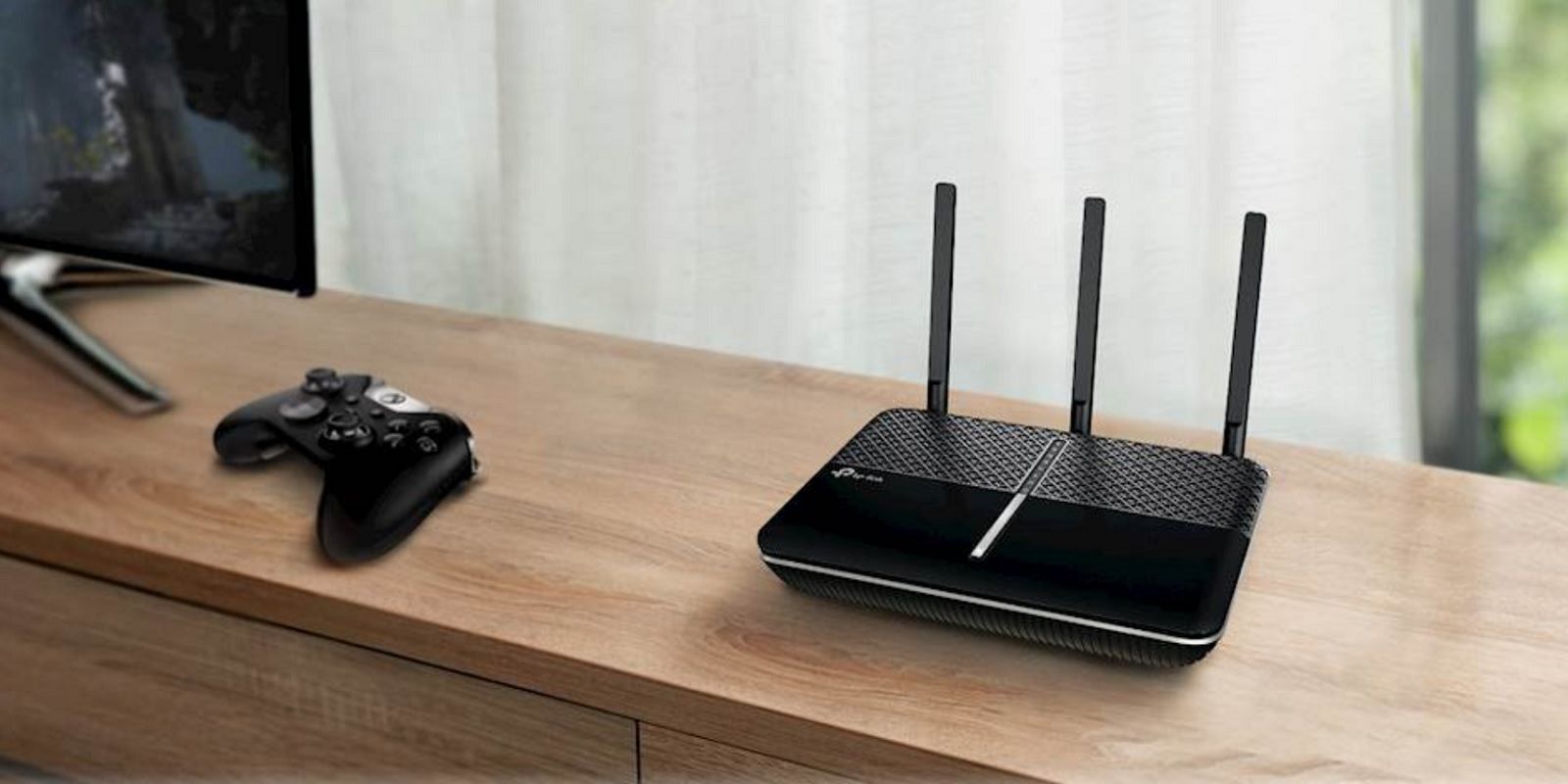
If taking into consideration the lifetime cost of the rented router, then it seems highly unlikely that most average consumers would ever need to spend anywhere near as much if they were purchasing and using their own equipment. While this is certainly true for combo units where the router and modem are combined in one product, there’s an argument for spending more (but still less than the lifetime rental cost) on a separate router and modem. For one thing, benefiting from the advanced features often provided with separate devices. The cost of many decent routers is likely to be closer to the yearly price consumers currently pay ISPs for renting, with the price continually dropping when looking at lesser-rated options. Take the TP-Link Archer AC2300, for example. This router often gets rave reviews and retails in the US for $150, although it can often be picked up for less than that from various online retailers. Even cheaper still is the TP-Link Archer C7 AC1750, which currently costs less than $70.
Even when looking at some of the very best options, consumers will likely only pay half of what they would for renting a device over the years, with the ASUS ROG Rapture GT-AC5300 (priced at $350) a prime example. This is often considered one of the fastest routers you can currently buy, making it ideal for intensive activities, including gaming. Then there’s the whole new world of mesh networks, where consumers can buy multiple smaller units that are positioned around the home. This approach helps to create mini Wi-Fi points in different parts, ensuring a stronger connection no matter where you are, or what device you are trying to connect with. While these newer solutions can be expensive, for around $300 (or less), you can normally pick up at least one main mesh router along with additional units for elsewhere in the home, from popular brands, such as Nest and eero.
While many of the options mentioned here still require a separate modem, there's still plenty of change left to buy one, compared to the price consumers are currently paying ISPs. Yes, it might be easier just to opt for the genetic unit offered by a provider and not have to worry about connecting devices like these, and especially with separates, however, the savings are there to be had. Alternatively, the same money can be used to create a much better setup to begin with. Both of which seem like better options than continuing to pay ISPs for internet equipment charges.
Source: Reviews.com
from ScreenRant - Feed https://ift.tt/2Yx22xo




0 Comments