
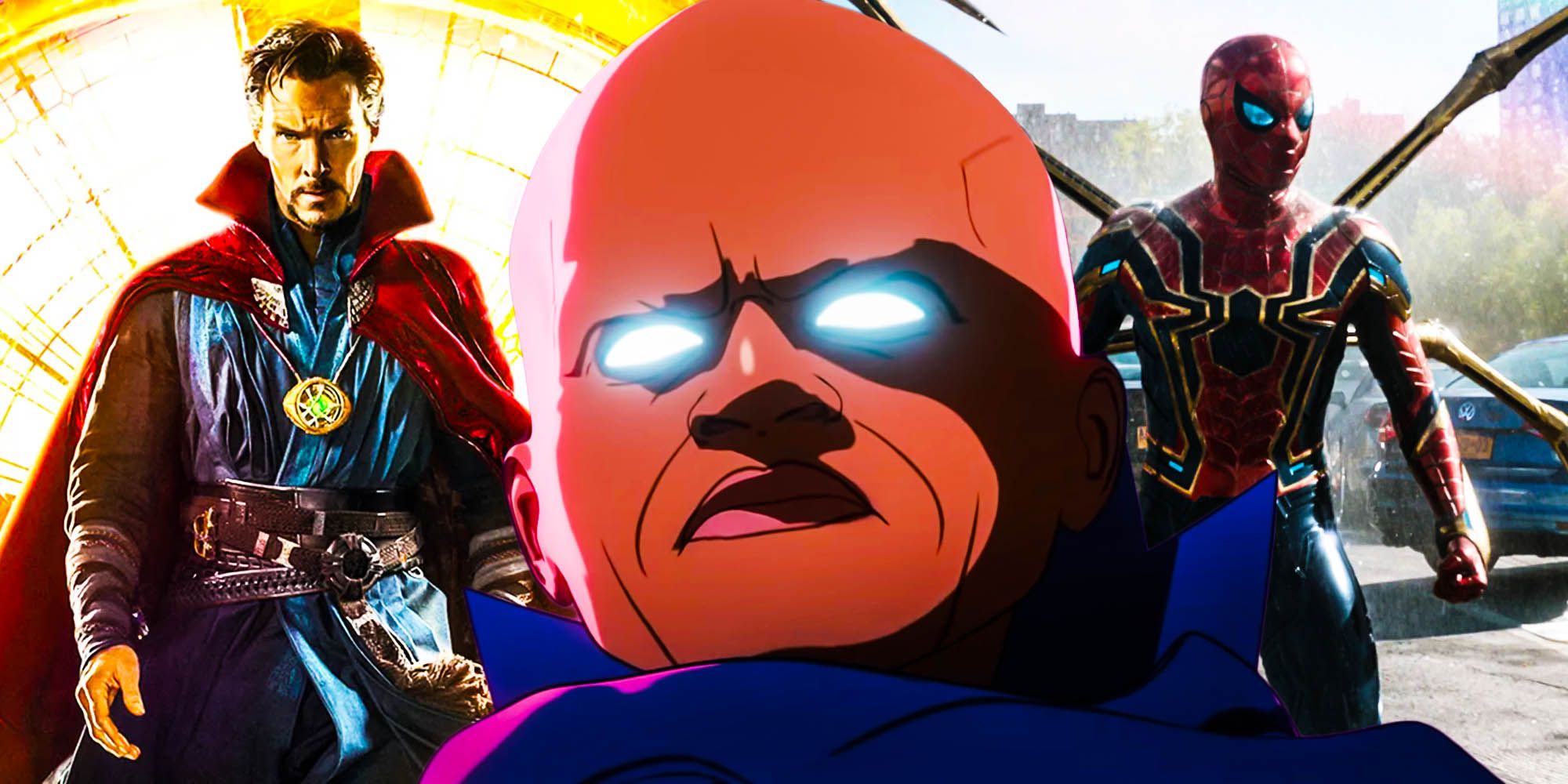
Warning: Contains SPOILERS for Marvel's What If...? episode 9.
Marvel's What If...? season 1 may explore countless other dimensions, but it has profound implications for the MCU's Multiverse - and potentially sets up major arcs for future movies and Disney+ TV shows in the main timeline. The Multiverse is key to the MCU's Phase 4 and beyond, and it has opened up infinite possibilities for Marvel Studios. Marvel's first animated TV series set within the MCU, What If...? is an opportunity to explore timelines that branch away from the main MCU, some eerily similar to the main one but others wildly different.
Because these are different timelines, it's so easy to dismiss What If...? and assume this Disney+ TV series has no consequences for the mainstream MCU. But that assumption fails to understand the true nature of the Multiverse, because while the timelines may have branched out, they will share a common history and common "rules." That means What If...? has just revealed a lot of major MCU secrets, confirmed the sequence of some events in the MCU timeline, and even set up some major arcs that can play out in upcoming MCU movies and TV shows.
Given that's the case, What If...? season 1 is essential viewing to fully get to grips with the MCU. Here are all the major takeaways - the additions to canon and lore, the powers rewritten or clarified, and the character arcs set up for the future, for both the main timeline and the entire Multiverse.
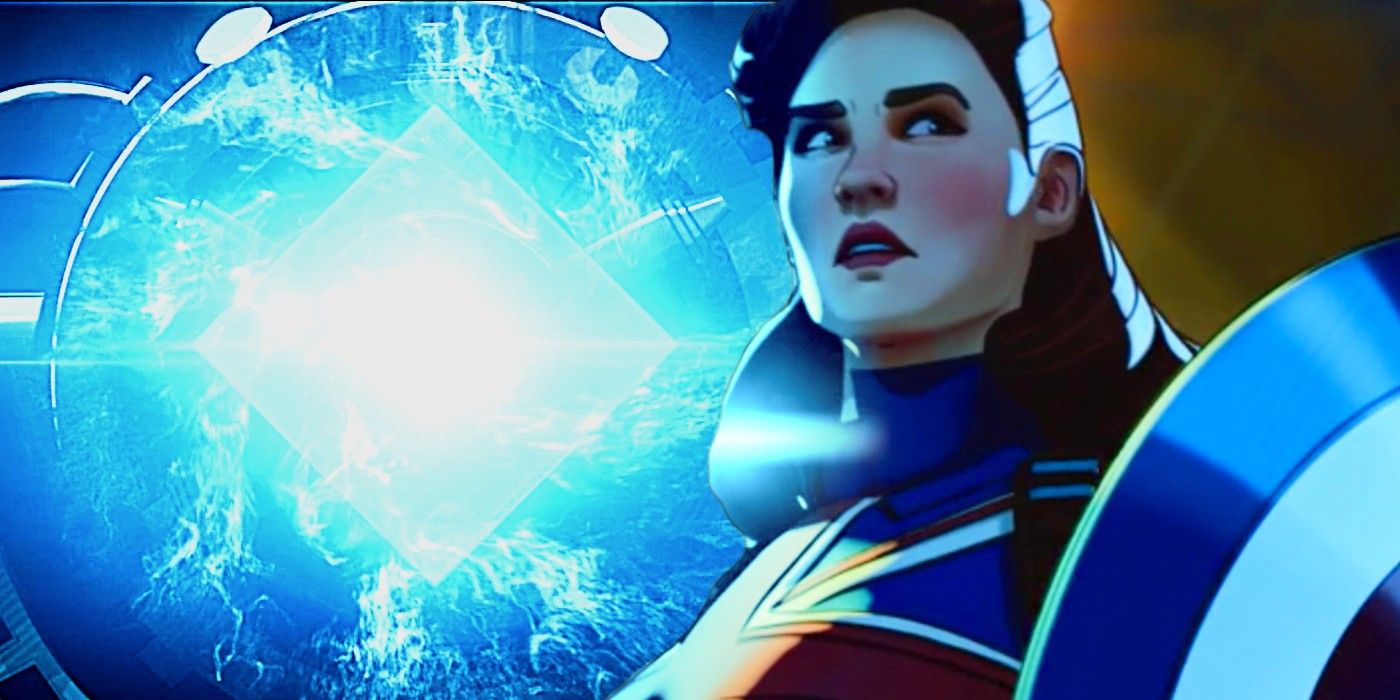
The Tesseract could be the key to the Multiverse. What If...? episode 1 revealed its wormholes can tunnel through the Multiverse, with a variant of the Red Skull using it to summon a monster that threatened his entire Earth; when Captain Carter forced the creature back inside the wormhole, she emerged seventy years later, proving its wormholes can pass through time as well as space. All this was confirmed in What If...?'s dramatic finale, when Ultron noticeably used Tesseract portals to hop between the dimensions on occasion. While the Tesseract has been destroyed in the main MCU timeline, it's quite possible other timelines could use their versions to tunnel through spacetime. Meanwhile, a joke from Samuel L. Jackson back in 2019 - who misled fans that Captain Marvel is "one of the few people in the Marvel universe that can time travel" - may well be a reality, given Carol Danvers wields Tesseract power.
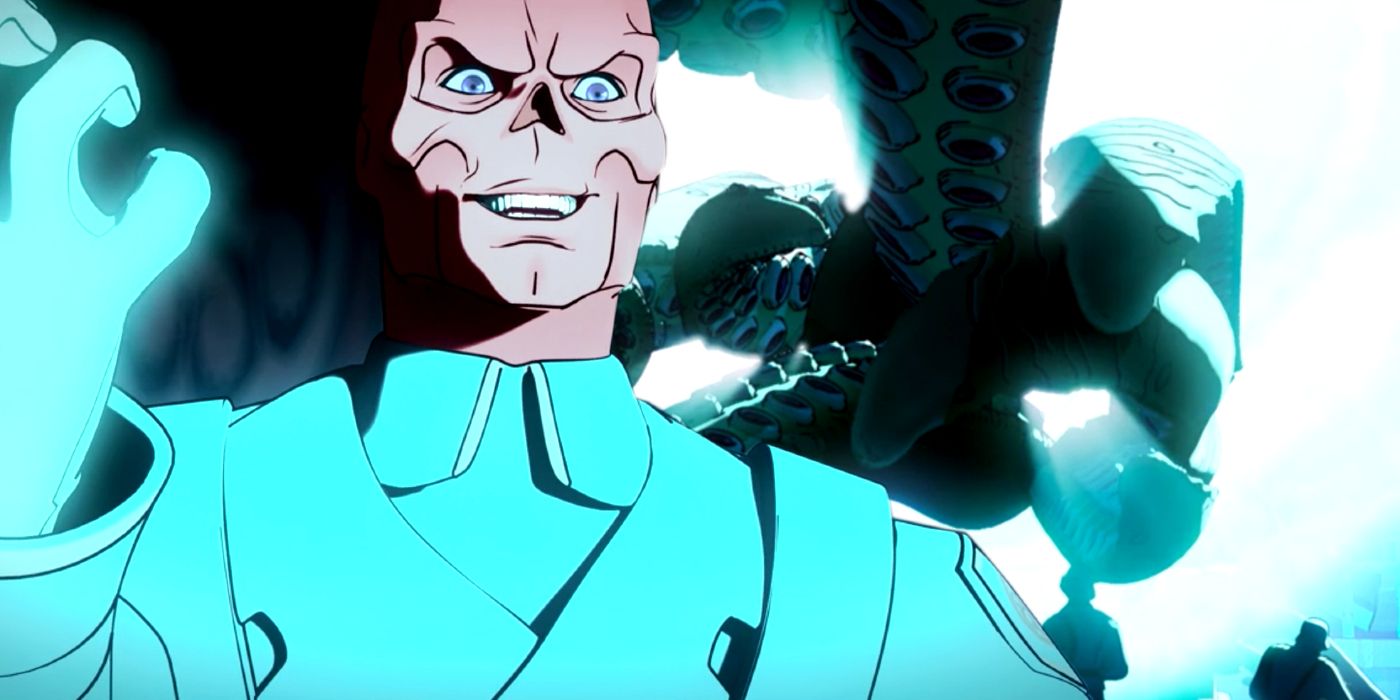
The Red Skull's Tesseract monster may be Shuma-Gorath, one of Doctor Strange's most terrifying enemies in the comics. An Elder God who ruled Earth in ancient times, Shuma-Gorath was banished to a distant dimension, and has returned countless times, served by cultists who seek to allow its essence to consume this entire dimensional plane. Shuma-Gorath is one of the Multiverse's most dangerous predators, and in fact Doctor Strange first proved himself worthy of being considered Earth's Sorcerer Supreme when he defeated the interdimensional entity. Marvel Comics has recently confirmed Shuma-Gorath is one of the six most dangerous Marvel villains, considered an extinction-level threat akin to Galactus, Mephisto, and Thanos. Significantly, there have been rumors Shuma-Gorath will be the main villain of Doctor Strange in the Multiverse of Madness, meaning What If...? episode 1 may be important setup here.
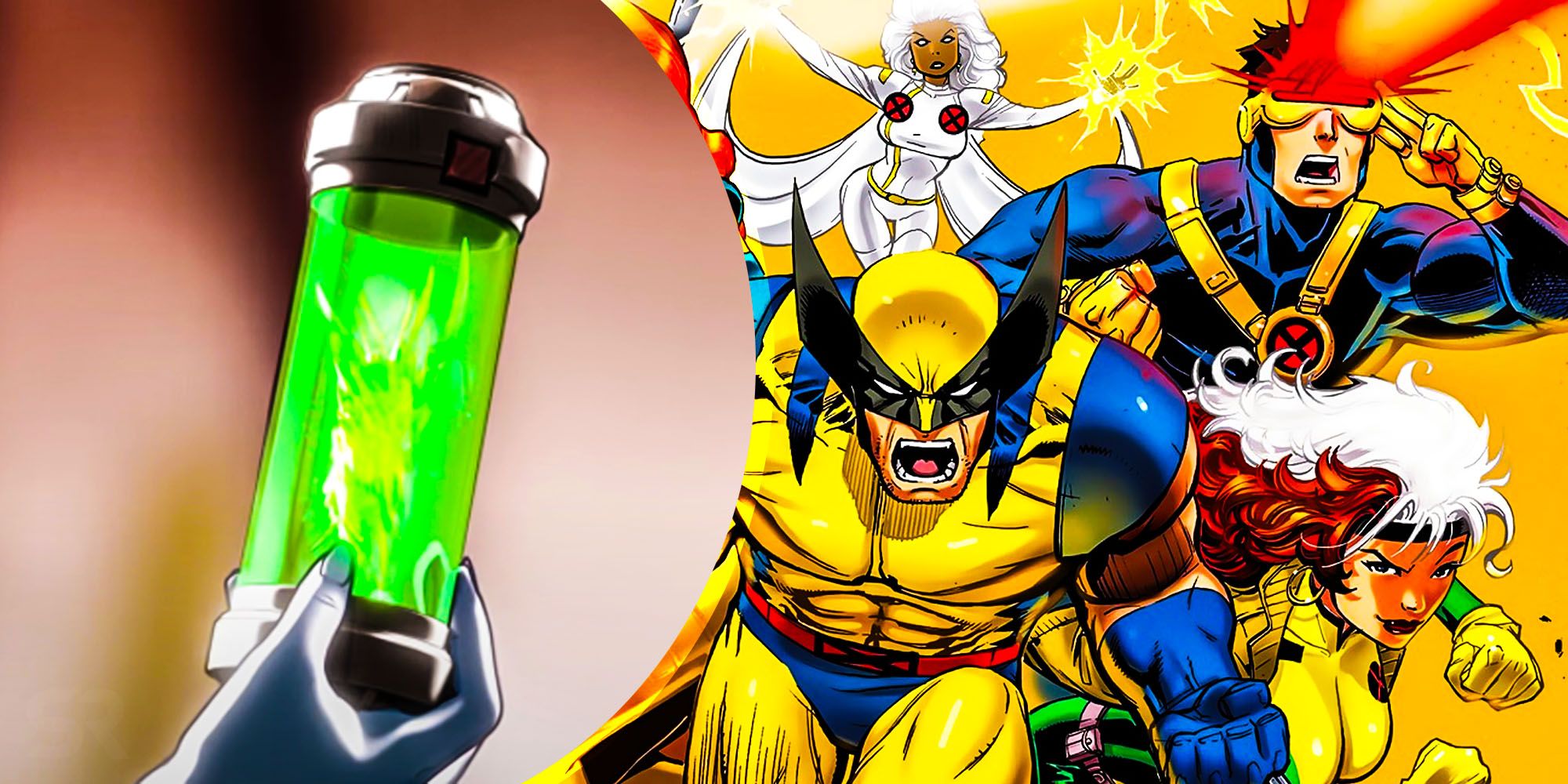
Introduced in What If...? episode 2, the so-called "Embers of Genesis" may be an X-Men reference. According to Nebula, these are "nutrient-rich cosmic dust from an ancient supernova with the power to transform entire ecosystems." They don't have a direct equivalent in the comics, but the way they generate life seems eerily reminiscent of the X-Men's living island Krakoa, which was introduced in a story called "Second Genesis." The Embers of Genesis must exist in the mainstream MCU, although they may not have been acquired by the Collector.
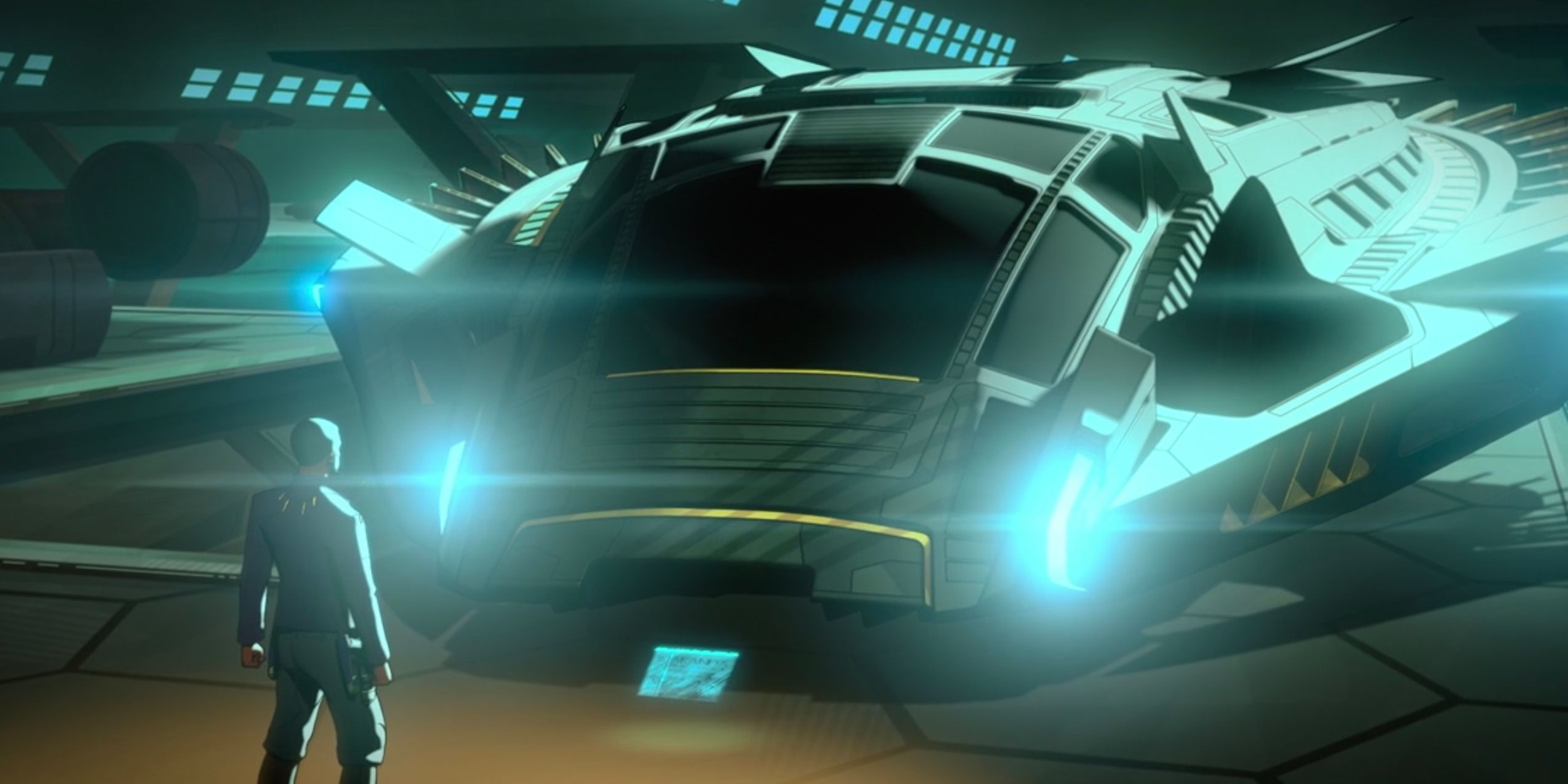
One of the most fascinating revelations in What If...? episode 2 was the revelation Wakanda is on the brink of developing intergalactic travel. This timeline branched out when Yondu kidnapped the boy T'Challa from Earth rather than Peter Quill, and the Wakandans were motivated to pursue space travel in order to get their long-lost prince back. The very fact they succeeded in developing ships that could travel between the stars suggests they could do the same in the main MCU timeline as well, where Wakanda has now been touched by several alien invasions and has potentially picked up tech from Captain Marvel and Rocket Raccoon to boot. In the comics, Vibranium is the key to space travel, because its properties make it ideal for the hulls of spaceships, and the Wakandans eventually established the Intergalactic Empire of Wakanda. What If...? episode 2 could serve as setup for some exciting cosmic plots going forward for the Wakandans.
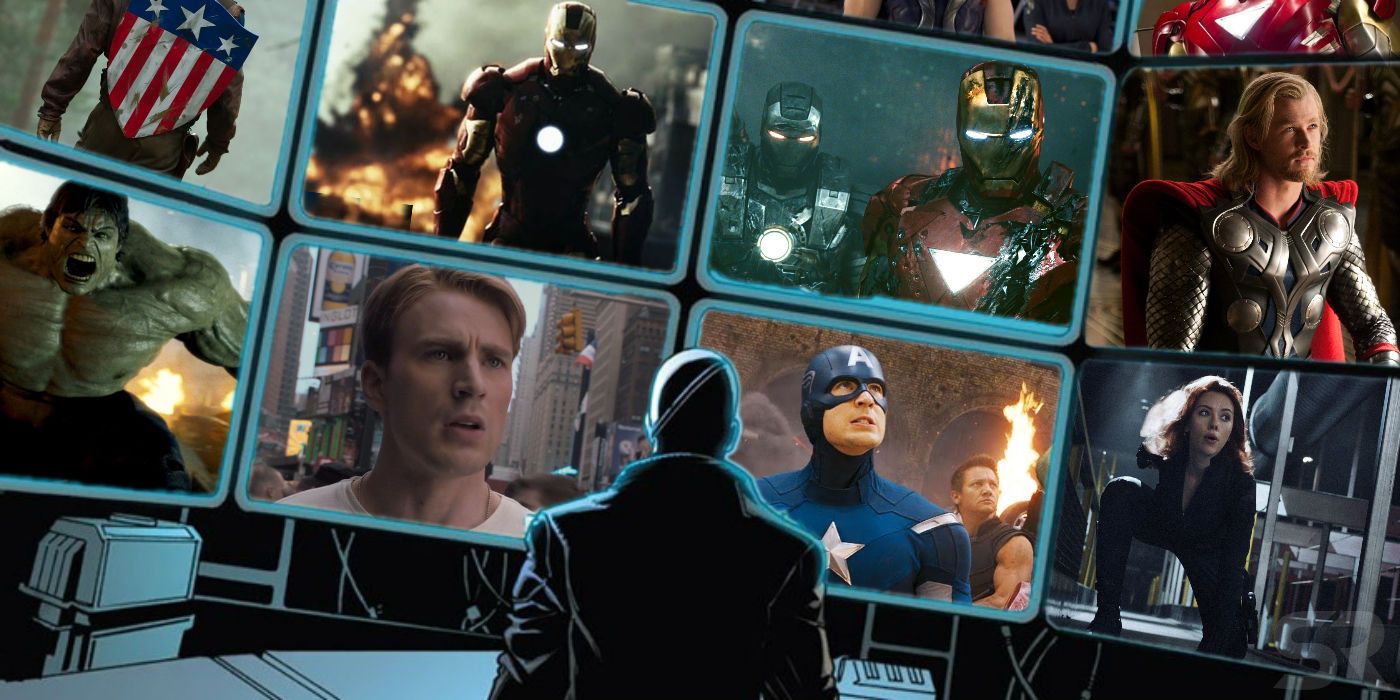
Back in 2012, Marvel Comics published an official MCU tie-in miniseries called Fury's Big Week, that established the timeline of MCU's Phase 1. According to Fury's Big Week, three major Marvel movies - Iron Man 2, The Incredible Hulk, and Thor - all happen over the span of the same week, with SHIELD struggling to react to multiple crises simultaneously. What If...? episode 3 uses Fury's Big Week as the basis for an MCU murder mystery, officially confirming the timeline in the canon. Marvel Studios don't always make a habit of acknowledging wider media - there's intense debate over whether the old Marvel Television TV shows should be considered canon - so it's pleasing to see a tie-in comic given a nod.
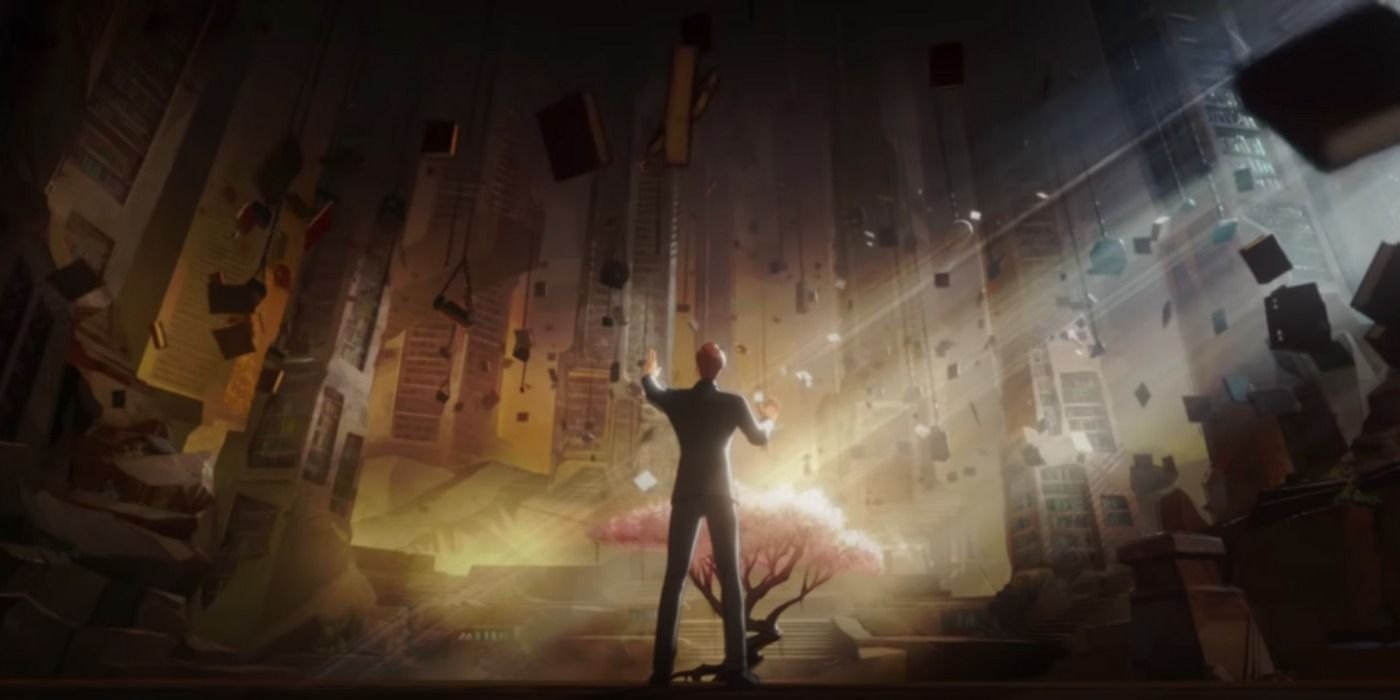
What If...? episode 4 is set in a timeline where Stephen Strange's heart was broken instead of his hands, and - still beset with grief even after he had learned the mystic arts - he sought magic beyond that of the Ancient One. He found his way to the Lost Library of Cagliostro, a vast collection of mystic tomes watched over by the sorcerer O-Beng, and there he learned the spells that ultimately doomed his entire reality. This isn't the first time Cagliostro has been mentioned in the MCU - the Book of Cagliostro appeared in Doctor Strange, a dark tome kept by the Ancient One that taught Strange how to use (and misuse) the Time Stone. But the Lost Library must exist in the main timeline as well, raising the question of whether anybody has gone there to learn secrets of the dark arts. In the comics, Doctor Doom was one of Cagliostro's disciples, so again this could become important setup.
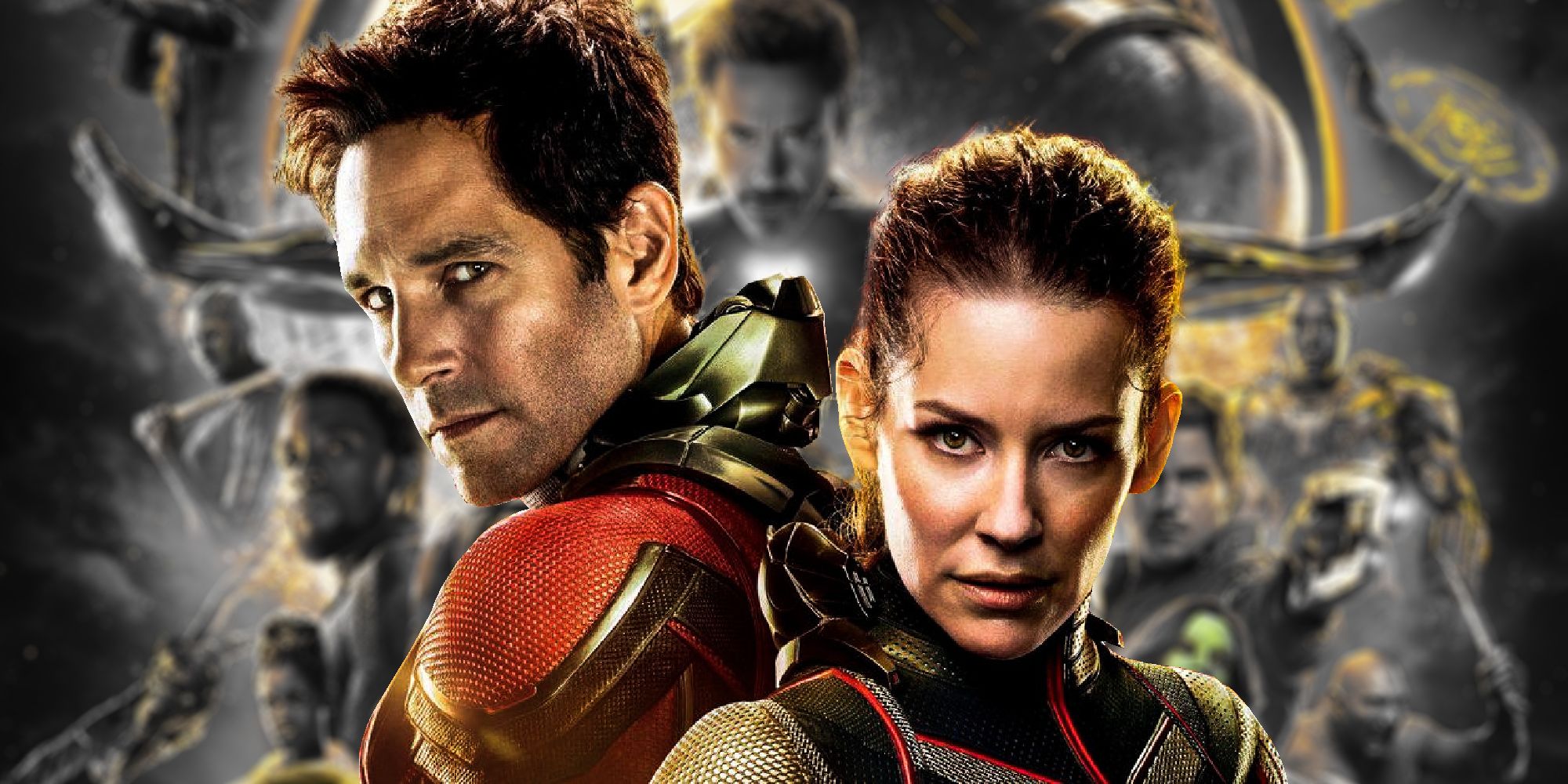
What If...? episode 5 confirms where Ant-Man & the Wasp fits into the overarching MCU timeline. The episode reveals Hank Pym successfully rescued his beloved Janet Van Dyne from the Quantum Realm two weeks before Thanos invaded Earth in Avengers: Infinity War, and the various size-changing superheroes presumably remained in San Francisco after hearing accounts of a random spaceship briefly appearing over New York. The post-credits of Ant-Man & the Wasp are, of course, set immediately after Avengers: Infinity War, when Thanos snapped his fingers. It's nice to have the timeline clarified.
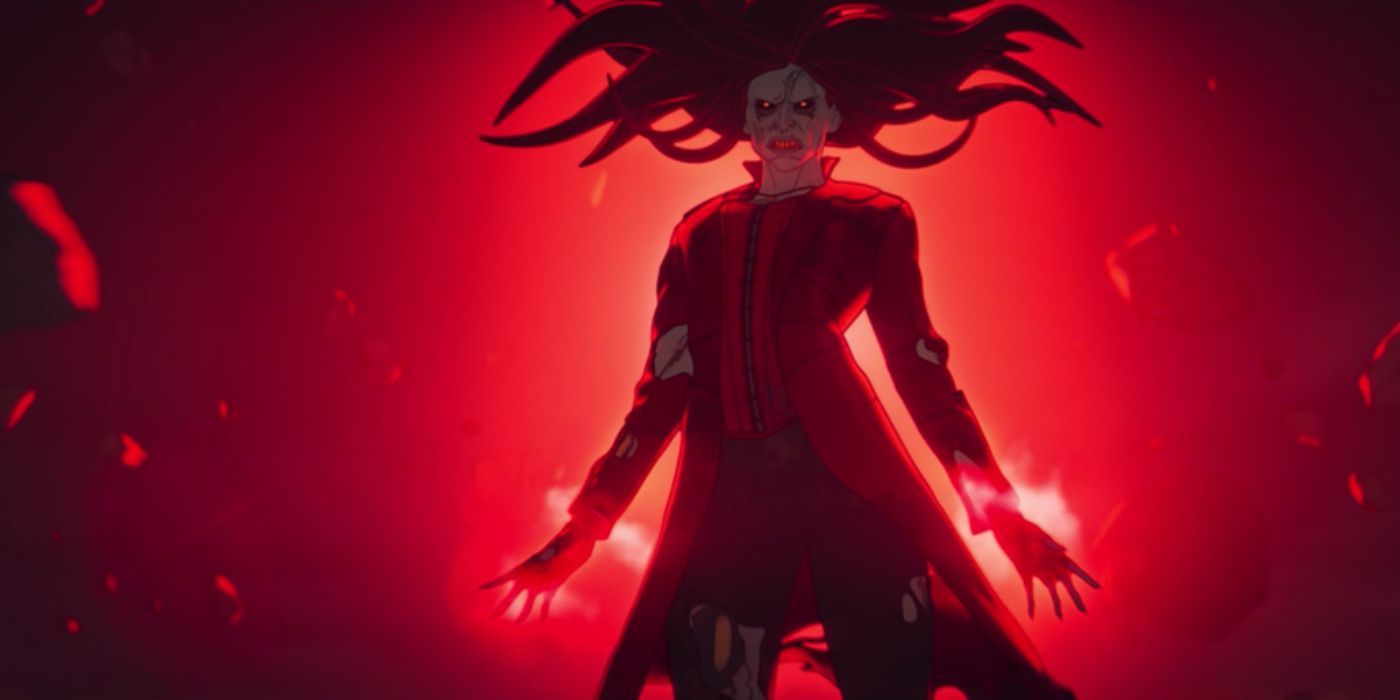
Of course, the central premise of What If...? episode 5 is that Hank Pym's exploration of the Quantum Realm went badly wrong when he unwittingly unleashed a zombie disease upon the world - one that consumed almost all life on the planet within just two weeks, meaning the Hulk got a shock when he was transported to Earth by Heimdall. The Pyms and Langs are expected to continue exploring the Quantum Realm in Ant-Man & the Wasp: Quantumania, and this could be a lot riskier than they realized. There have been reports of a live-action Marvel Zombies film or TV series in the works, so this could become a major plot point going forward.
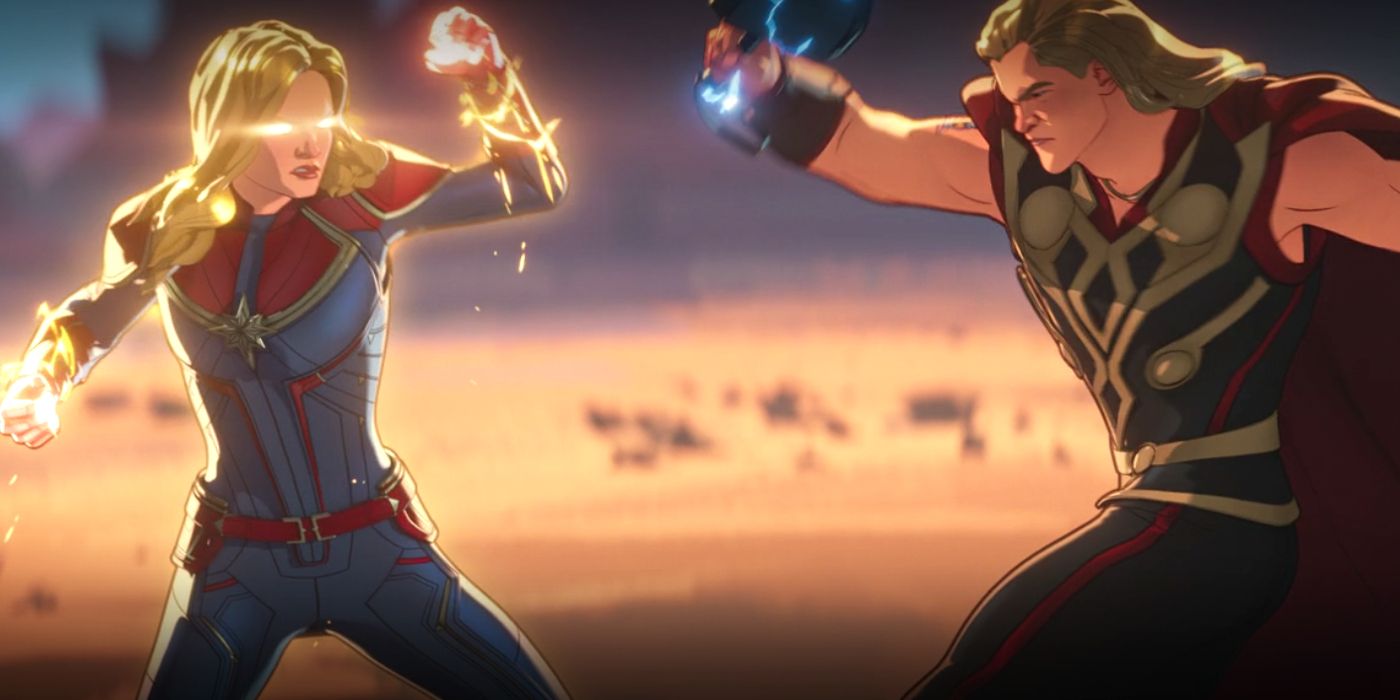
Everybody loves a superhero brawl, and What If...? episode 7 delivered one that saw two heroes literally knock each other across the continents. What If...? episode 7 also subtly redefined Captain Marvel's powers, revealing her body absorbs energy from around her, apparently on an unconscious level - explaining why the Tesseract power her body was suffused with hasn't been depleted. Not only is Captain Marvel a human battery, she's actually a self-replenishing battery, and whatever her limits may be she proved able to effortlessly absorb Thor's most powerful lightning bolts. This seems to add an amusing degree of irony to Avengers: Endgame, because it means when Thanos' ship the Sanctuary II fired upon Captain Marvel it was literally powering her up, and she proceeded to use its own energy against Thanos and his army. It may well be important to Captain Marvel's development as a character and a superhero going forward.
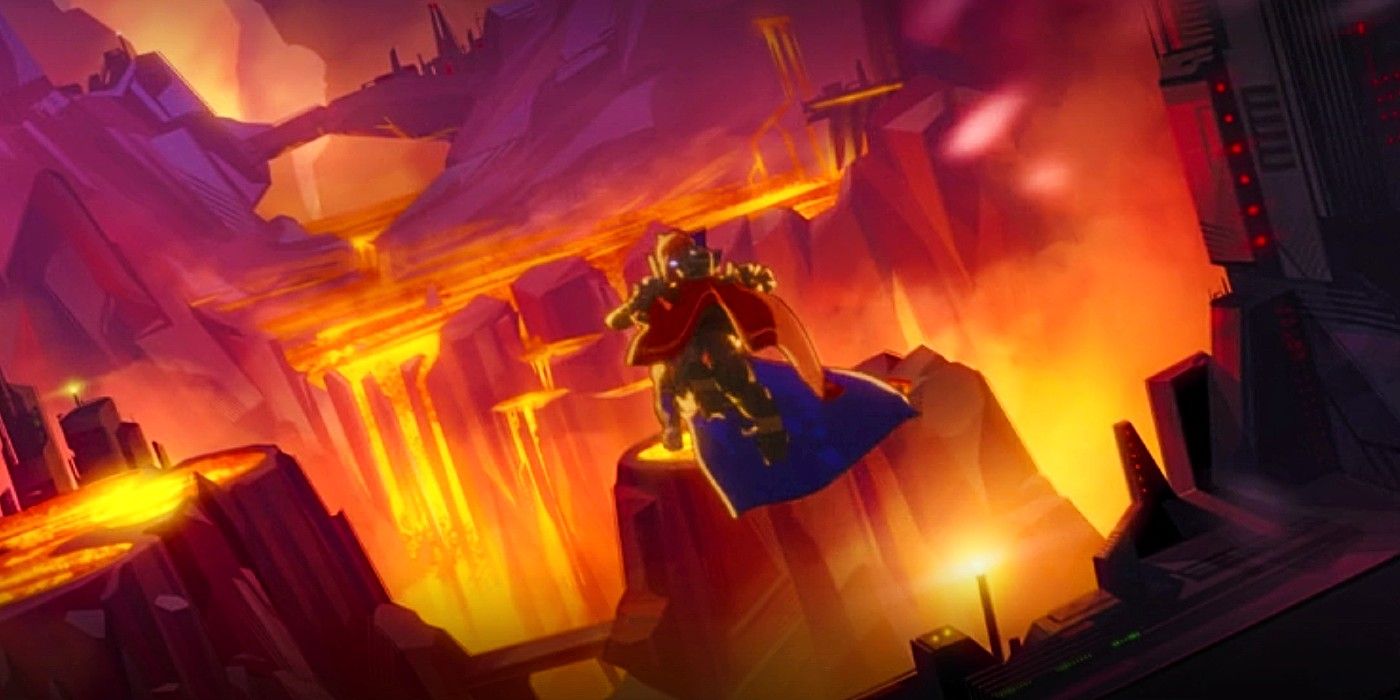
One of What If...?'s biggest surprises was Mustafar appearing in the MCU's Multiverse? What If...? showrunner A.C. Bradley was eager to add some Star Wars lore into her show, and she managed to slip in two iconic Star Wars locations during the Multiversal duel between the Watcher and Ultron in What If...? episode 8. Attentive viewers will recognize the distinctive vegetation of Felucia at one point, and the harsh volcanic landscape of Mustafar at another - complete with the distinctive spires of Darth Vader's castle. It's quite amusing to imagine the Dark Lord of the Sith sensing a momentary disturbance in the Force on Mustafar, one that ended as suddenly as it had begun. Don't expect too much to come of this one, because Disney really isn't going to want to merge the two franchises, but there may be further Star Wars Easter eggs in other Multiversal stories.
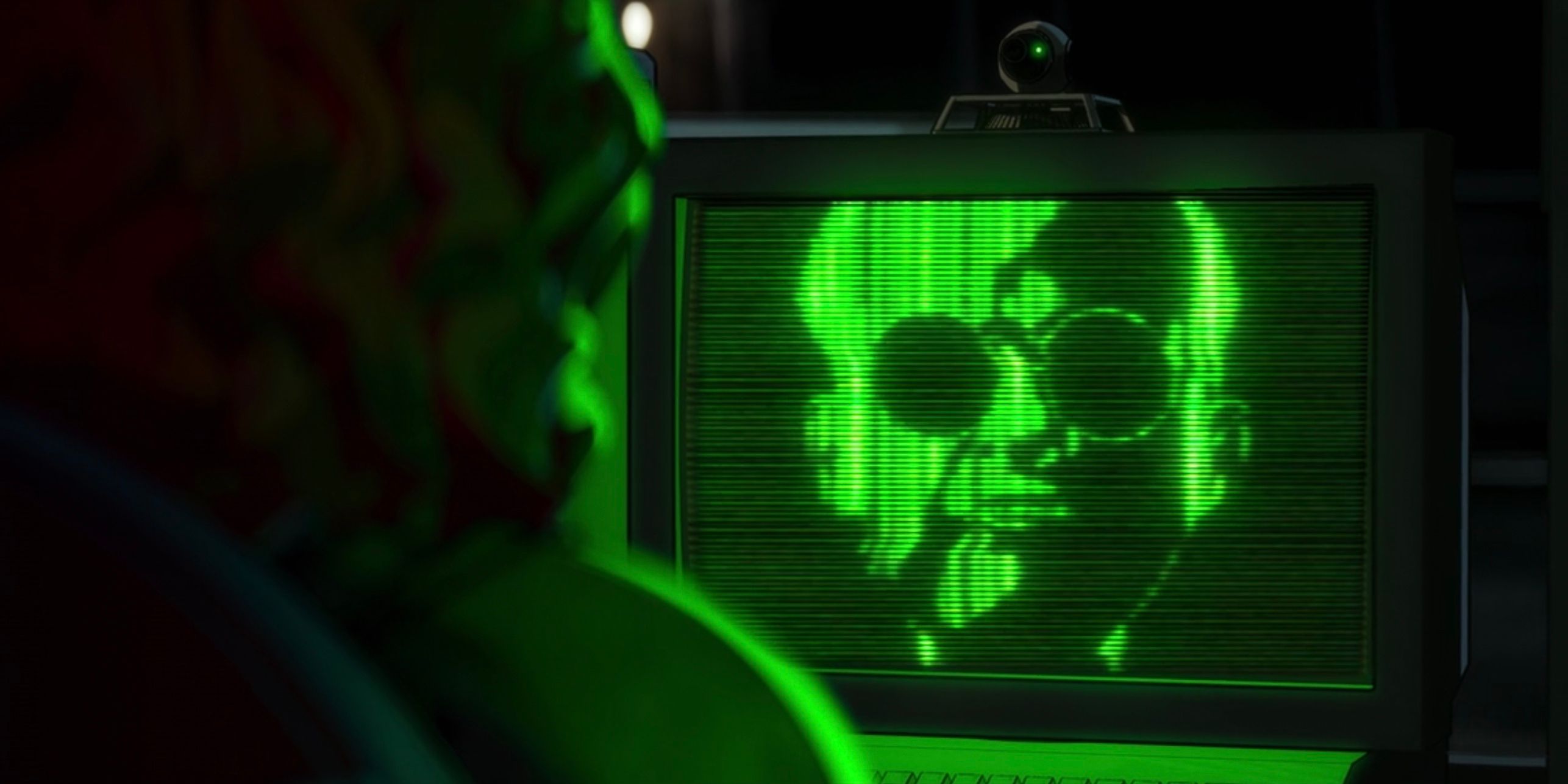
2014's Captain America: The Winter Soldier revealed Hydra scientist Arnim Zola had received a terminal diagnosis in the 1970s, but had survived death by having his mental engrams transformed into a sophisticated computer program - one that had been secreted in a Hydra bunker in the United States. What If...? episode 8 revealed at least one copy of Zola's program had been created; this version of Zola had run the Russian super-soldier project, meaning he had probably been the one in charge of Red Guardian and the Winter Soldier. The episode implied he had operated from the same Siberian base uncovered by Steve Rogers in Captain America: Civil War, so presumably that copy was dealt with by Iron Man in the main MCU timeline in the aftermath of the superhero Civil War. There could easily be other copies of Zola's program, though, meaning Arnim Zola could return and rebuild Hydra in Phase 4 and beyond.
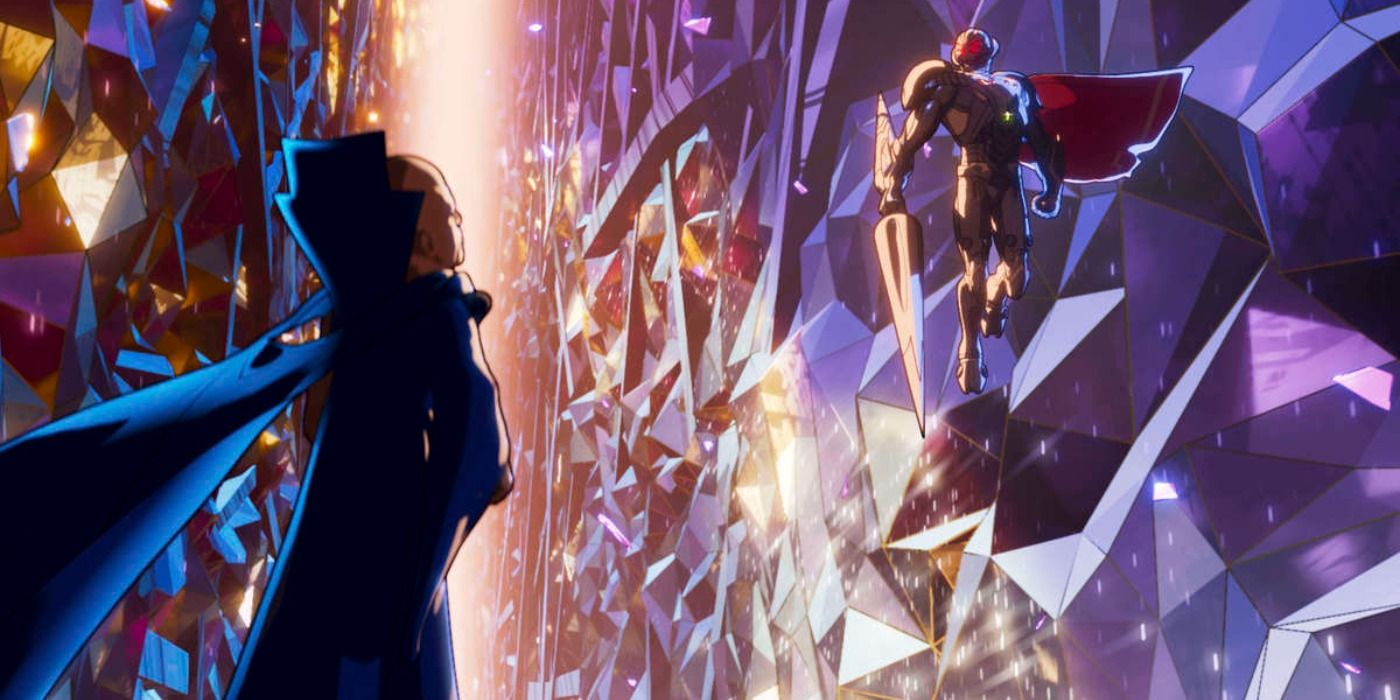
In the comics, the Watcher lives on the Moon, watching over the Earth from his sanctuary. The MCU's version of the Watcher resides in a crystalline realm at the heart of the Multiverse, which corresponds with an X-Men location called the Panoptichron. The X-Men-adjunct team called the Exiles are a group of Multiversal adventurers who reside at a crystal palace at the center of the Multiverse, and they can both look upon and access every dimension through pink crystals located there; the parallels are strikingly obvious. It will be exciting to see whether, as in the comics, the Panoptichron ultimately becomes the base of operations for a team of Multiversal superheroes.
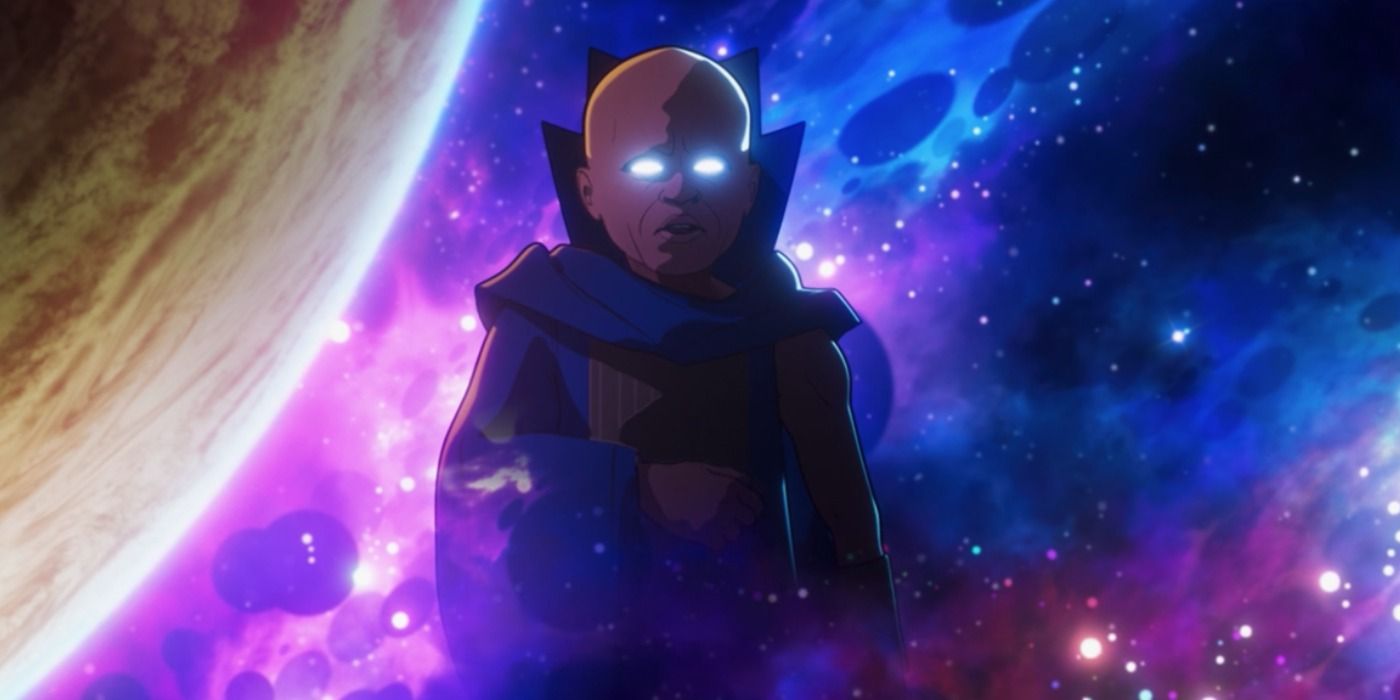
The Watcher is traditionally an impartial observer, but What If...? episode 9 saw him break his oath of non-intervention to save the Multiverse. The What If...? season 1 finale suggested he has no intention of going back to his classic role, though, because now the Watcher considers himself the Protector of the Multiverse. This could well be crucial setup for the MCU, given the importance of the Multiverse going forward - and the inevitable emergence of potential threats to its existence such as the villain Kang the Conqueror. Marvel has just moved the Watcher closer to his status quo when he first introduced himself to the Fantastic Four; he is now a being who tries to limit his interference, but will nevertheless step in when he feels he is needed, providing guidance and counsel in defense of all creation.
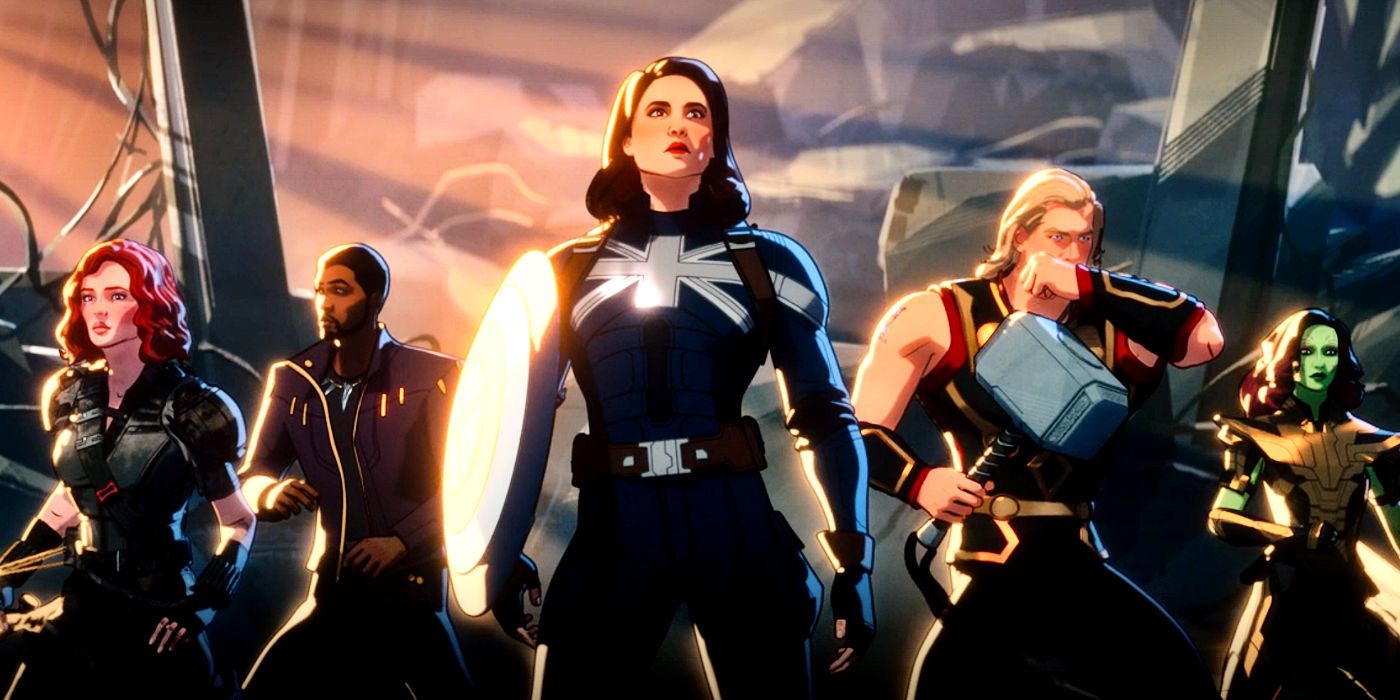
Finally, What If...? episode 9 saw the Watcher assemble the Guardians of the Multiverse in order to do what he could not and defeat Ultron. Although the Guardians of the Multiverse were disbanded, the Watcher deliberately allowed them all to retain their memories, setting up potential future stories in which they are assembled to take on other Multiversal threats. The Guardians of the Multiverse could easily return in What If...? season 2, which is expected to release next year, and the Watcher could call upon them in other Multiversal adventures - meaning any one of them could appear in films such as Doctor Strange in the Multiverse of Madness.
from ScreenRant - Feed https://ift.tt/3afoMqq




0 Comments