
Warning: This article contains SPOILERS for Shang-Chi and the Legend of the Ten Rings.
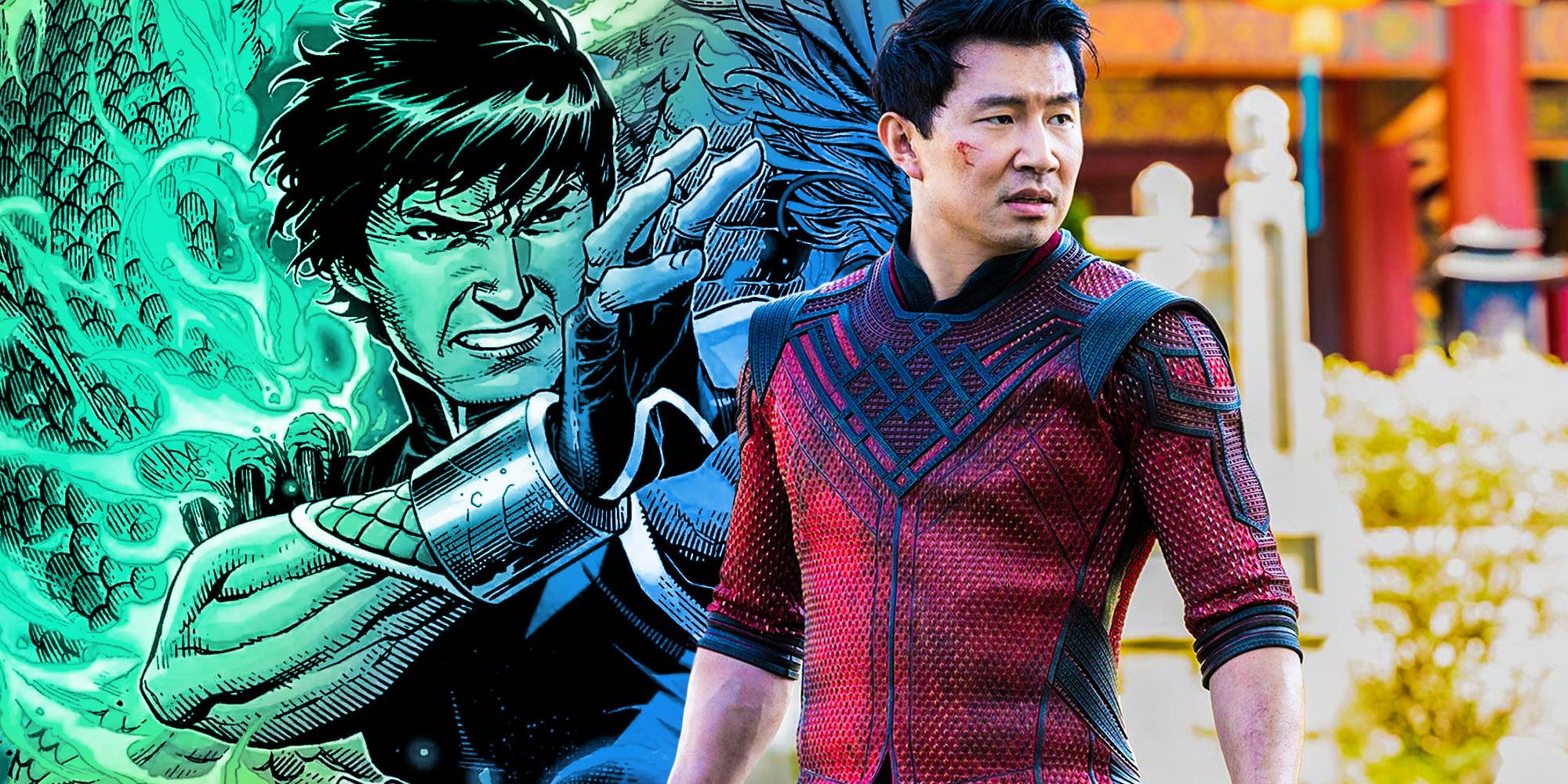
A new superhero has entered the MCU in Shang-Chi & the Legend of the Ten Rings - and here's how Simu Liu's Shang-Chi compares to the comics. Marvel Studios believe diversity is the future for the MCU, which explains why they've chosen to start Phase 4 with Black Widow and Shang-Chi. The former was a (frankly overdue) female-led blockbuster, while the latter stars Marvel's first Asian film lead. Technically this is the culmination of a story that began in 2018, when Liu tweeted "Ok @Marvel, are we gonna talk or what #ShangChi." A year later, he was confirmed for the role - and now his Shang-Chi has officially joined the MCU.
Although the film stands quite well on its own, and stylistically is unique, Shang-Chi's post-credits scene firmly establishes the Master of Kung Fu's place in the wider MCU. Marvel is officially calling Shang-Chi a "New Avenger," meaning it surely won't be long before he's back in action alongside the likes of Captain Marvel and the Hulk, and it's only a matter of time before Marvel greenlight a sequel. It certainly helps that the MCU has deviated significantly from the original comics, making it particularly intriguing to see where he goes from here.
Curiously enough, though, recent comic books have been rewriting Shang-Chi's story ahead of his MCU debut. That makes it all the more interesting to compare the comics and the movies, and to explore the differences and similarities between these different visions of Shang-Chi.
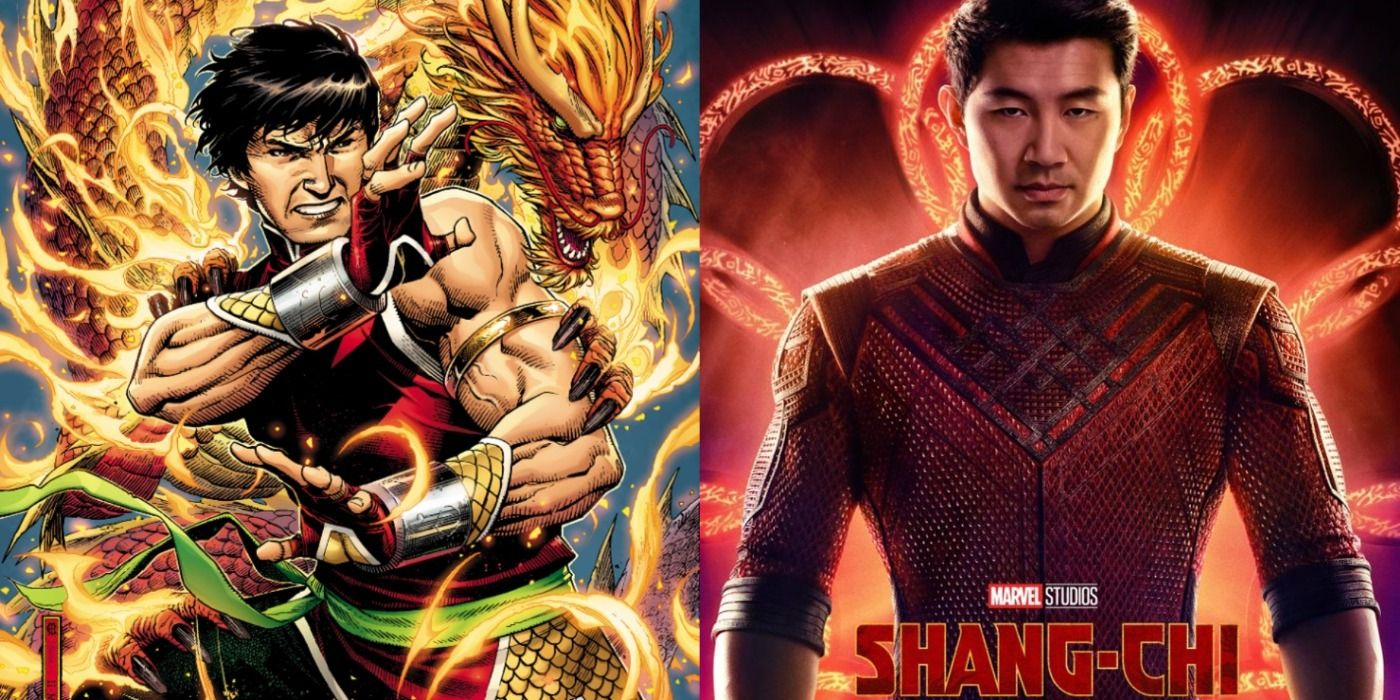
Shang-Chi's costume design has usually been quite basic, with Marvel's Master of Kung Fu donning traditional fighting robes - and tending to choose red. It wasn't until 2014's Avengers World that he really adopted his modern look, variations on red jumpsuits with frequent black triangle motifs over the chest. The most recent Shang-Chi miniseries has modified this again, blending the jumpsuit with the fighting garb and taking on a scaled texture in places to evoke various dragon entities.
Looking at the MCU's Shang-Chi, it's easy to see why Simu Liu was cast for the role; he's the spitting image of Shang-Chi, and carried himself with all the presence viewers would expect. Although he initially fights in casual clothes, he goes shirtless on a number of occasions - just as in the comics - and upon entering the mystical land of Ta Lo he is given a dragon's-scale armor. This is a dramatic improvement from the comics, because dragon scale armor appears remarkably durable, particularly resistant to magical attacks. Black triangle motifs have been patterned on the costume, evoking memories of the Avengers World outfit.
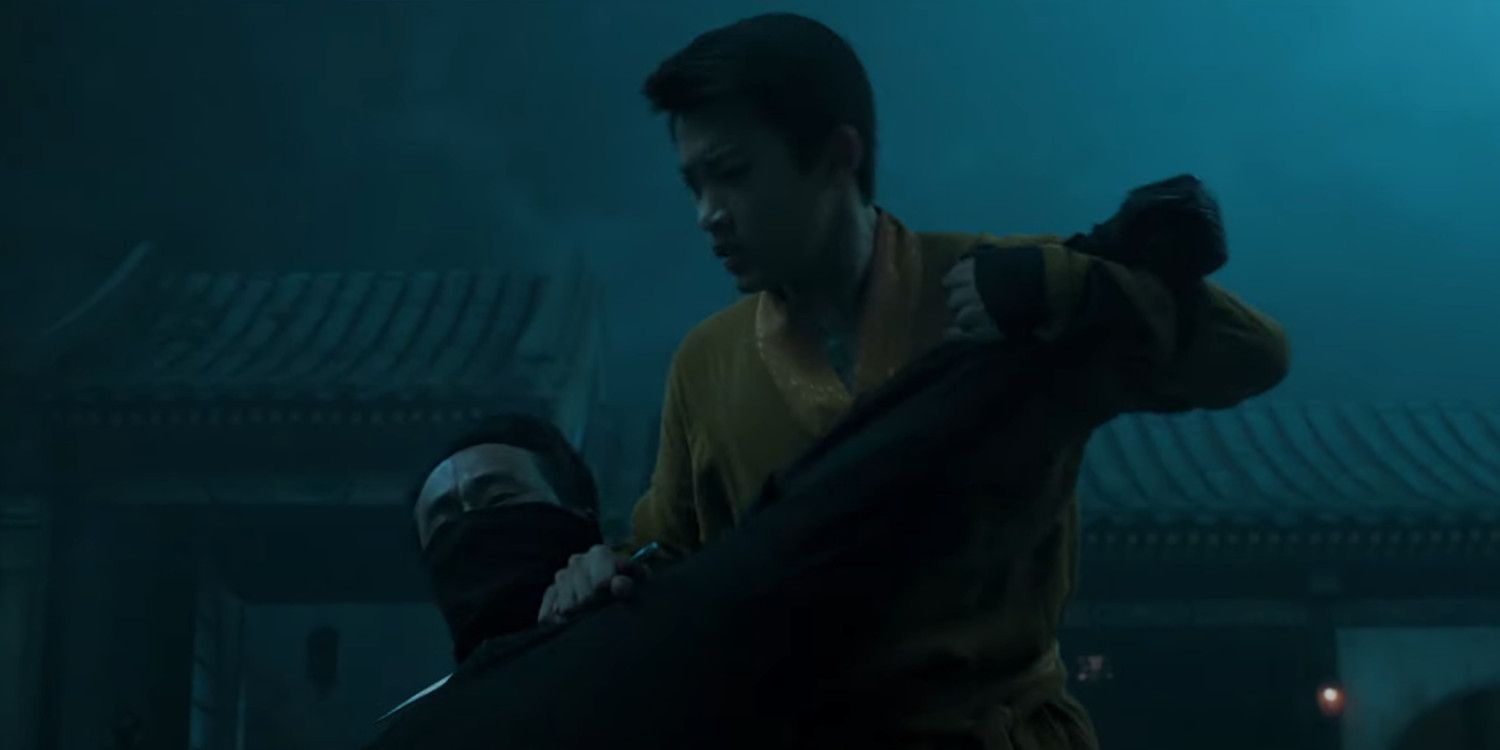
There's a reason why Shang-Chi is typically marketed as Marvel's "Master of Kung Fu" - it's because he is generally considered one of their most formidable warriors. In the comics, Shang-Chi was trained by his crime lord father to become a deadly assassin, and he is skilled in most forms of hand-to-hand combat - with Kung Fu a specialty. He's traditionally been showing practicing the Shaolin variant of Kung Fu, one of the most sophisticated and identifiable among all Kung Fu styles, common in popular culture. Unfortunately, of course, the different artists who've rendered Shang-Chi haven't always known too much about martial arts, so it hasn't been rendered consistently.
In addition to being at peak human condition and a martial arts master, Shang-Chi is one of a handful of Marvel heroes who have learned to master their Chi - the bio-electric energy that surrounds all life. Although he is nowhere near as spectacular and effective at Chi manipulation as Iron Fist, Shang-Chi can strike with superhuman force and shatter brick, concrete, and iron, while he can tap into his Chi to accelerate his own healing. This is coupled with phenomenal control over his own nervous system, which allows him to ignore physical pain or slow the spread of poisons through his body.
The MCU's Shang-Chi is pretty comic book accurate in terms of his powers and abilities. Producer Jonathan Schwartz told EW he believes the fight choreography is some of the best Marvel has done. "Every punch is meaningful, every fighting style is meaningful, and the story is told visually in such a great way," he observed. Shang-Chi demonstrates mastery of several martial arts, drawing inspiration from "the elegant, almost ethereal wushu style of Crouching Tiger, Hidden Dragon to the more kinetic choreography of Jackie Chan's action-comedies." Shang-Chi's fighting style borrows from his parents, and he ultimately learns tai chi while in Ta Lo - using this very effectively against Wenwu. There's no hint of Chi manipulation in Shang-Chi & the Legend of the Ten Rings, which is something of a shame.
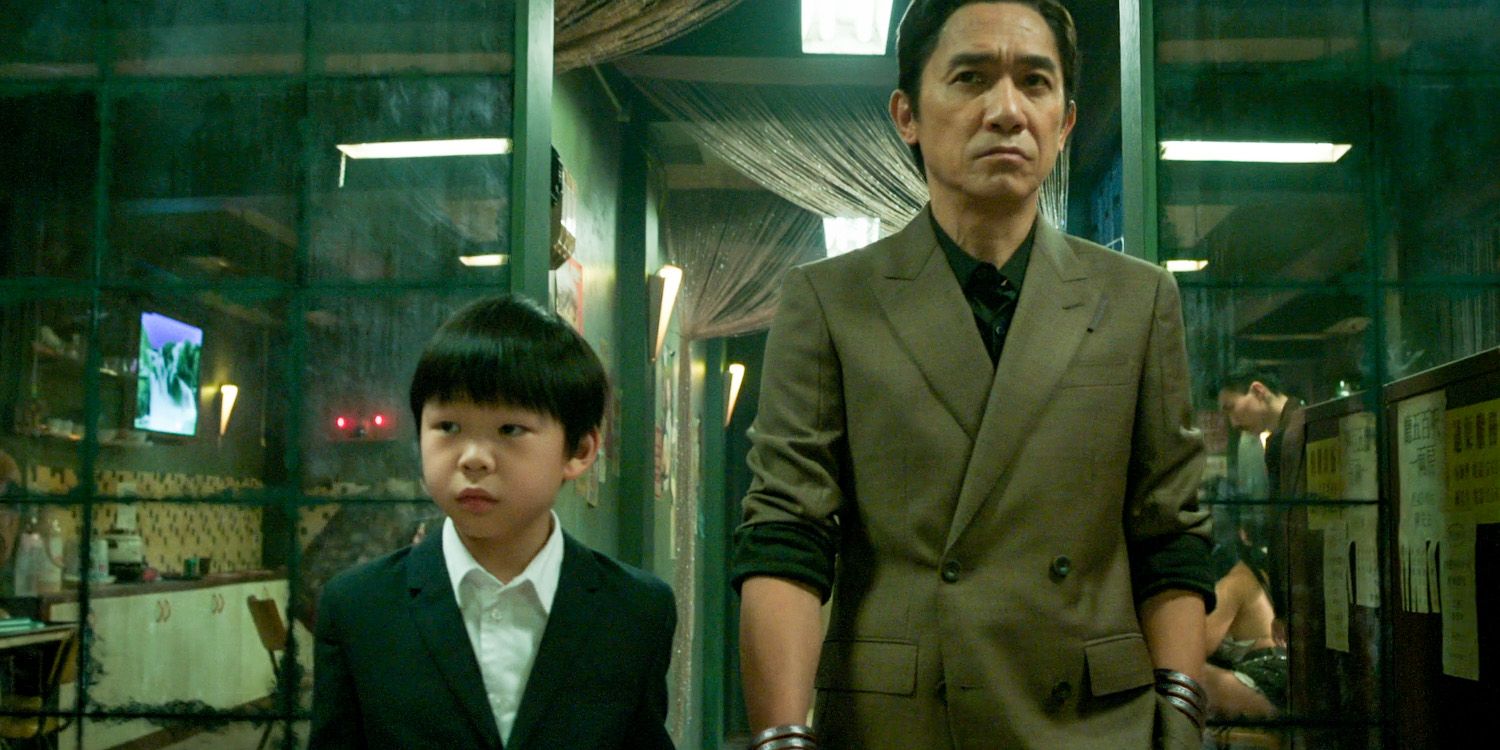
The MCU's Shang-Chi looks and feels very similar to the comics, but his origin story has been switched up a little - for good reason. His backstory is tied to Sax Rohmer's popular villain Fu Manchu, an evil Chinese criminal mastermind who led a dangerous criminal gang. Marvel acquired the rights to use Fu Manchu in their comics in the early 1970s, leading to the creation of Shang-Chi. Marvel imagined Shang-Chi as the son of Fu Manchu, who had been trained to one day take his father's throne, but who had rejected this destiny because he realized everything his father stood for was evil. Shang-Chi's comic book series, The Hands of Shang-Chi: Master of Kung Fu, borrowed a number of key supporting cast from Rohmer's novels, but also introduced a few new characters to join Shang-Chi in his quest to defeat Fu Manchu.
Marvel Comics no longer own the rights to Fu Manchu or associated characters, and consequently they've been forced to make a number of retcons and adjustments to Shang-Chi's origin. Fu Manchu was retconned to be just an alias, with Shang-Chi's father really named Zheng Shu. Most interesting of all, Zheng Shu's organization - now called the Five Deadly Weapons Society - has been transformed into an ancient and evil criminal empire that runs all the way back to the days of Genghis Khan, and it has been divided into five separate "Houses" that compete for leadership. Each House has a Champion, who has the potential to take Zheng Shu's throne after his death; Shang-Chi is the greatest warrior of the House of the Deadly Hand, and the others are Sister Dagger, Brother Sabre, Sister Hammer, and Brother Staff, each named after the House they represent. Sister Dagger is actually one of Shang-Chi's sisters, who he has attempted to redeem from the Five Deadly Weapons Society. Marvel Studios has switched things up again for the MCU, combining Zheng Shu with another villain, the Mandarin, as the original character Wenwu. Leader of the terrorist group known as the Ten Rings, Wenwu was granted quasi-immortality by the mysterious mystical weapons he possessed, the Ten Rings, and he's been active for millennia. Meanwhile, the MCU's Xialing is basically a composite of all Shang-Chi's sisters from the comics.
Shang-Chi ends with its hero gaining possession of the Ten Rings, an arc that never happened in the comics, meaning the MCU version now operates at a power level unheard of before. This logically means that, however comic-book-accurate the character may feel right now, his journey is going to take him in a direction unlike anything seen before in the comics themselves. It's going to be exciting to see what the future has in store for Shang-Chi.
from ScreenRant - Feed https://ift.tt/3v6hKgi



0 Comments