
Reboots are commonplace in modern Hollywood. Oftentimes, the idea stems from the notion that improving the visuals of the original will help current audiences connect with the story better. This has then led to studios covering their projects in CGI and abandoning attempts to use practical effects (as was more usual when the first films were released).
With the reboot of Dune coming up, it appears that CGI still has its part to play in updating a narrative, as audiences are already proclaiming how beautiful the production appears to be. However, there's plenty of other franchises that have also benefitted from these newer technologies when it comes to creating the visuals studios have hoped for all along.
10 Rise Of The Planet Of The Apes (2011)
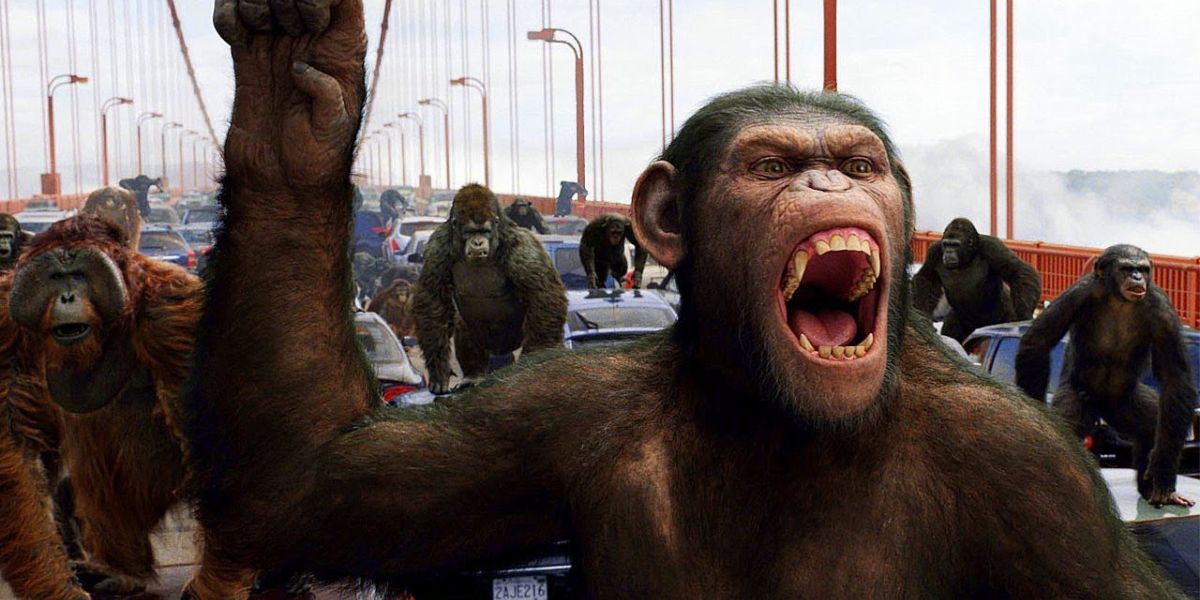
Andy Serkis brought new life to the Planet Of The Apes franchise with Rise Of The Planet Of The Apes. The reliance on motion-capture performances was still a relatively unique technique at the time of its release, but the technology allowed the incredible performances of the actors to be captured in an authentic and realistic way.
While the Ape movies of old relied on brilliant practical masks and costumes to help pull off the look, no prosthetics were needed here. The titular apes came to life thanks to the genius use of CGI, which only improved as the franchise progressed, forming one of the best modern cinematic trilogies to date.
9 Westworld (2016-)
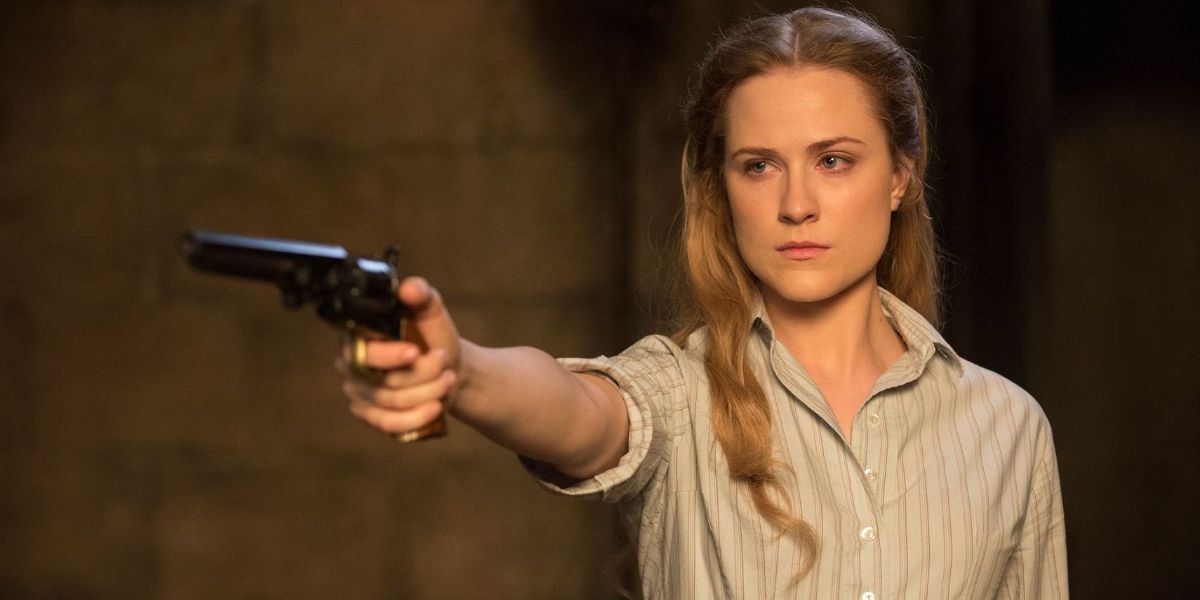
Westworld was an incredible sci-fi western that felt far ahead of its time. While it explored many of the same thematic elements of the show, the technology at the time really limited what the production could pull off. Ultimately, it would take a HBO budget and a lot of CGI to fully capture the essence of the piece.
While Westworld definitely utilizes plenty of phenomenal sets and breathtaking props and prosthetics, a large portion of this futuristic landscape is brought to life by the computer. It would be pretty hard to tell this story about robotics without the techniques available to today's filmmakers that ultimately allow the concept to flourish.
8 Mad Max: Fury Road (2015)
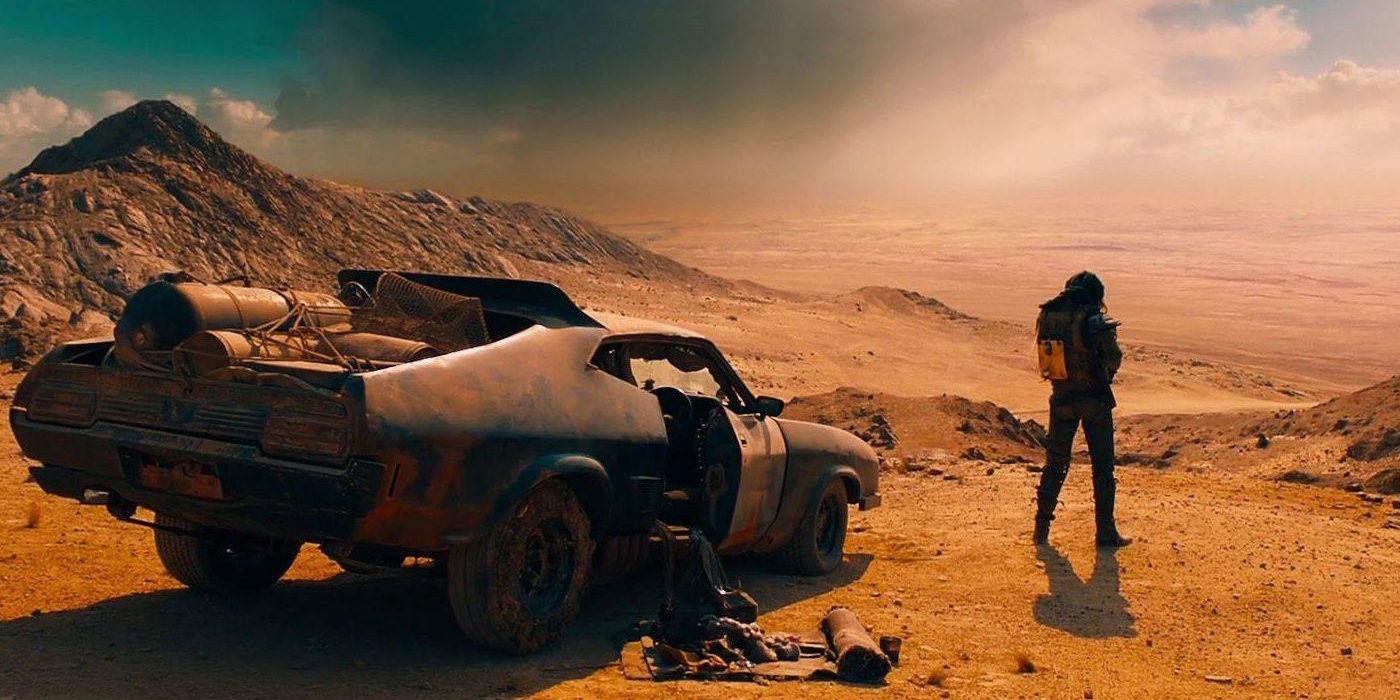
Mad Max: Fury Road was commended for its use of real stunts and the use of genuine vehicles. The film was shot on location and much of the script was filmed in-camera. This dystopian aesthetic is also what made the original movies so popular and iconic.
However, that doesn't mean that Fury Road is without any CGI. These computer effects were used in a variety of ways to build out the environment further, as well as to enhance the stunts that were being pulled off. These digital pieces helped to improve the project, therefore, working to ensure everything looked as good as possible, without taking away from the elements produced in the real world.
7 Godzilla (2014)
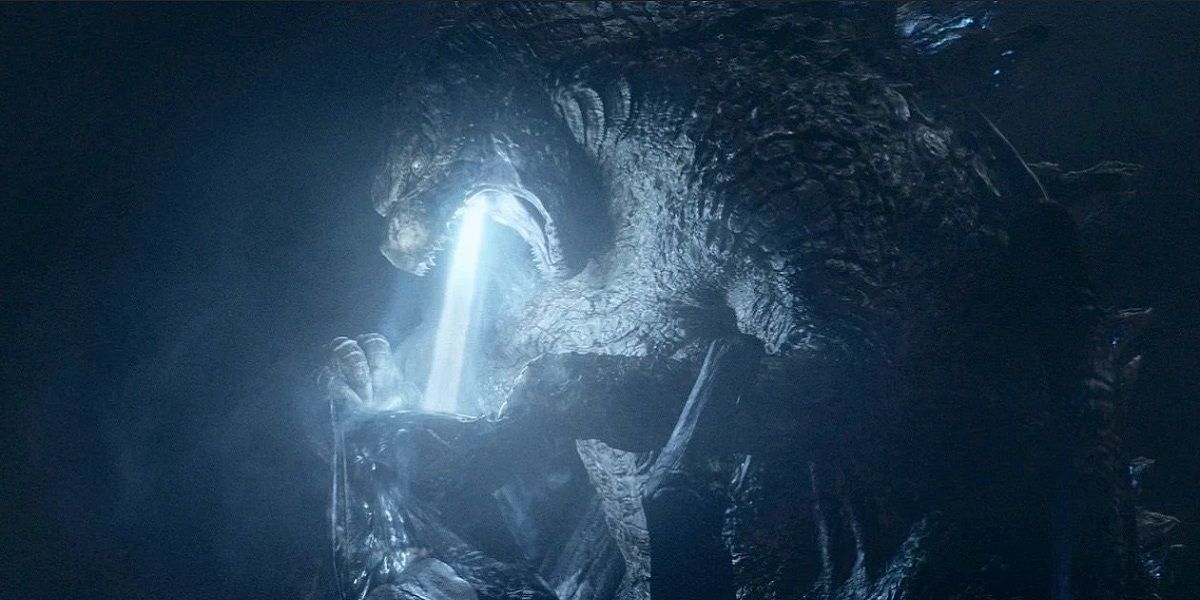
There's been plenty of attempts to reboot the Godzilla franchise over time and most pay homage to the techniques used in the original movie, as they have created incredible costumes and miniatures for the beastly Kaiju to destroy. However, the reboot that launched the MonsterVerse took a very different direction.
The production went all-in on producing a monster that looked as realistic as possible while using special effects. It really worked, with the clever use of shots concealing some of the weaknesses in the design, with the CGI artists getting the scale of Godzilla absolutely perfect. The model of the creature has only improved with each passing appearance.
6 Doctor Who (2005-)
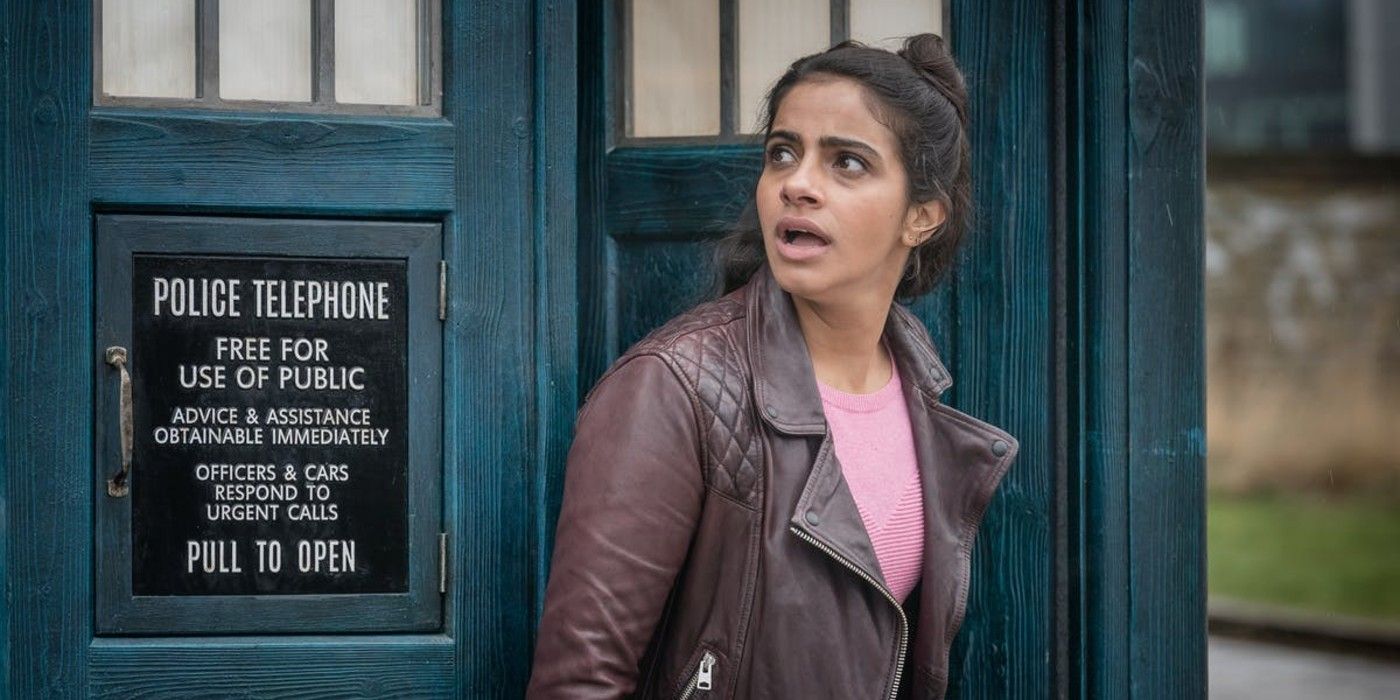
Doctor Who came back to the BBC in 2005 with a lot of momentum as a brand new team of TARDIS time travelers were set to voyage through the stars. The show was famous for some of its less than flattering practical effects and set designs, but also boasted many incredible pieces of architecture, as well as costume and prop work that stood the test of time.
With such a variety in the quality of the visuals from throughout the original version of the show, the soft reboot managed to bring in new CGI elements to add to the common practical effects (and update the cinematography for a modern audience). It clearly worked, with the show looking more gorgeous than ever and still amassing fans thanks to the many iconic designs (from the blue box to the Daleks).
5 Tron: Legacy (2010)
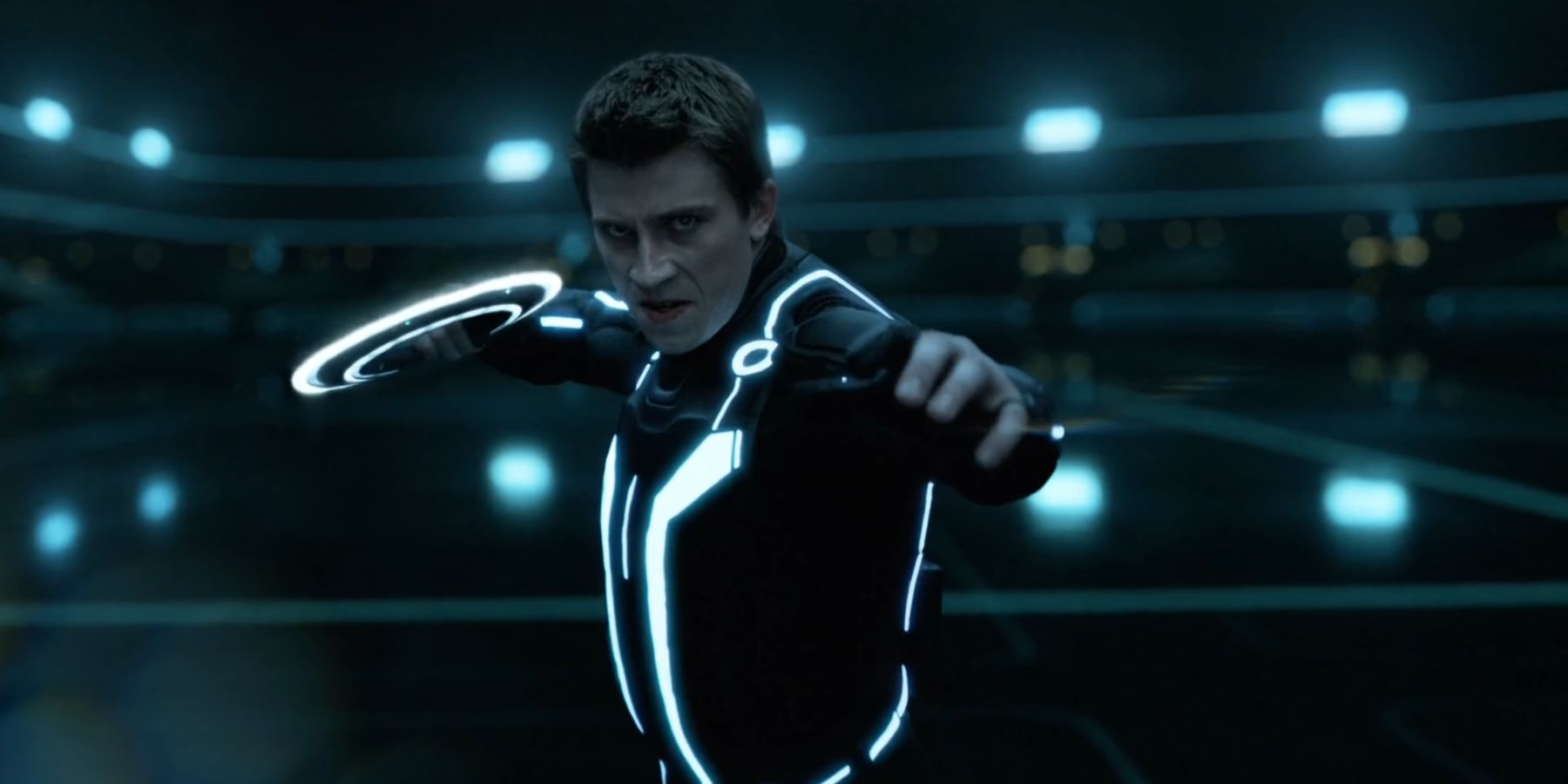
Tron: Legacy is as much a sequel as it is a reboot. Many people who watched Legacy upon its release likely would have never seen the original Tron before. Although the storytelling may hold up, the use of CGI has become extremely dated, despite the film still sitting as a classic.
The breakthroughs in the technology were actually groundbreaking upon its release, but Legacy managed to take many of those concepts and finally fulfill the vision of the first filmmakers. From the neon lighting to the impressive light cycles and digital landscape, the movie is undoubtedly a cinematic masterpiece.
4 Star Trek (2009)
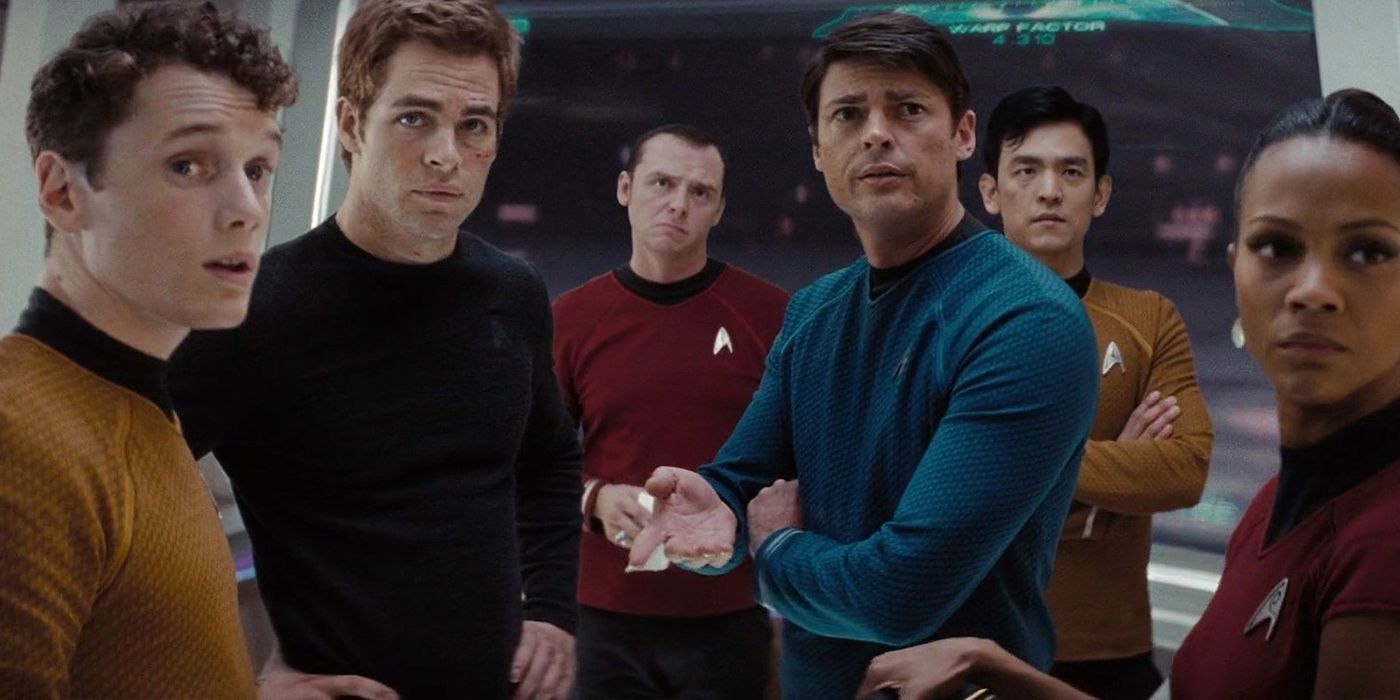
Star Trek is another sci-fi classic that has been held back in the past due to its TV budget. However, this all changed with a big-screen cinematic world being built. With Hollywood deciding to produce another reboot of the movie, it meant that the directors could take a new direction in terms of how the landscape looked on screen.
CGI came in great use when depicting the impressive ships of Starfleet and some alien designs were even enhanced with digital technology. Much like some of these other reboots, the CGI was never used as a replacement for what could be shot on camera but they definitely helped to improve some of these iconic looks.
3 Dredd (2012)
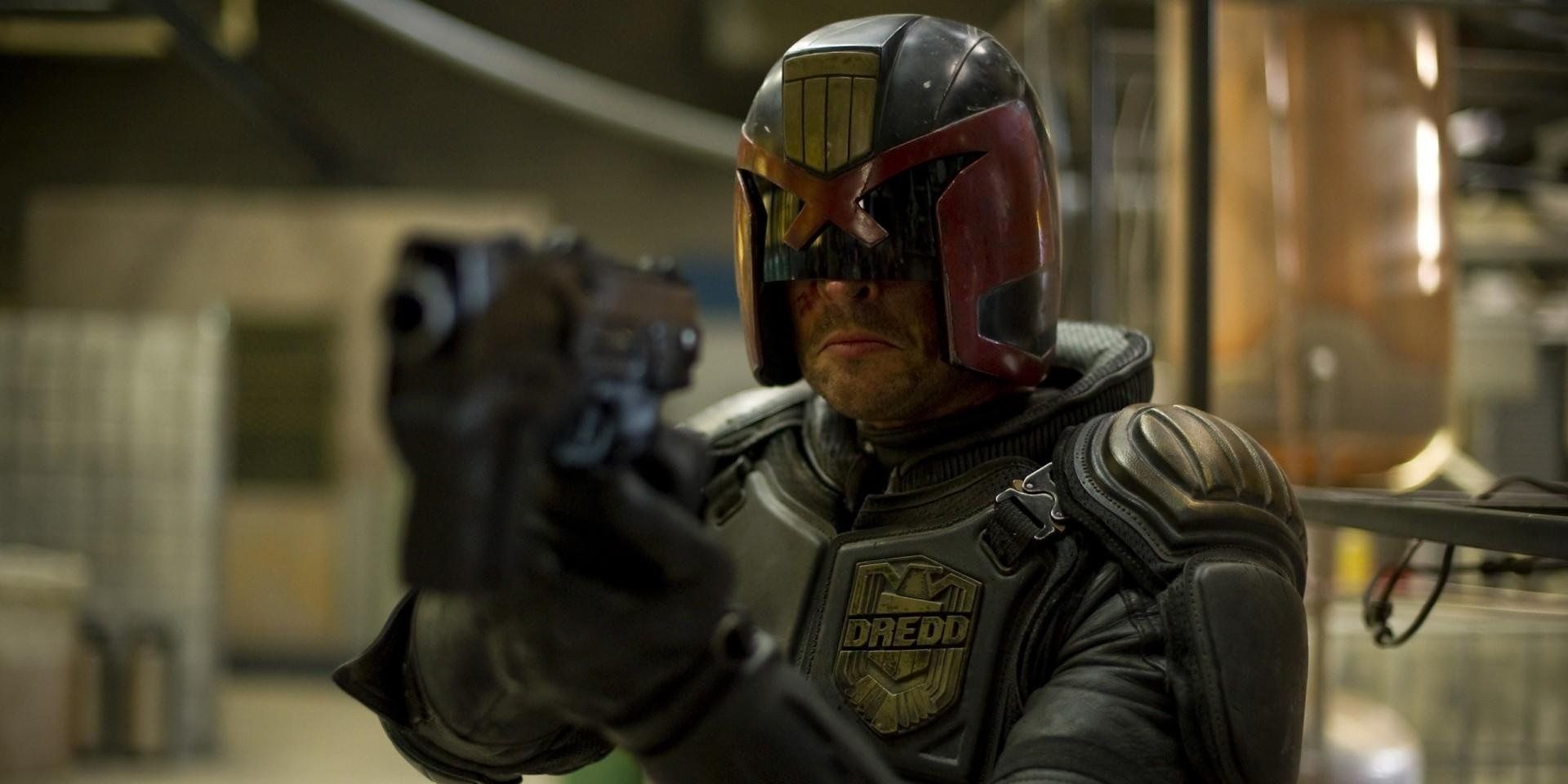
Dredd is a mighty small-scale comic book movie that packs a real punch. Perhaps one of the most underrated of its genre, most of the grungy aesthetic was achieved through brilliant lighting and incredible set design. The costumes and props really felt like they had been pulled from the comics.
But there were plenty of elements that simply had to be portrayed through a computer. Whether it was the psychedelic nature of the drugs used or the impact of the firepower that Judge Dredd was carrying, the CGI helped to elevate the piece in a way that the original film series could have only dreamed of despite its cult status.
2 His Dark Materials (2019-)
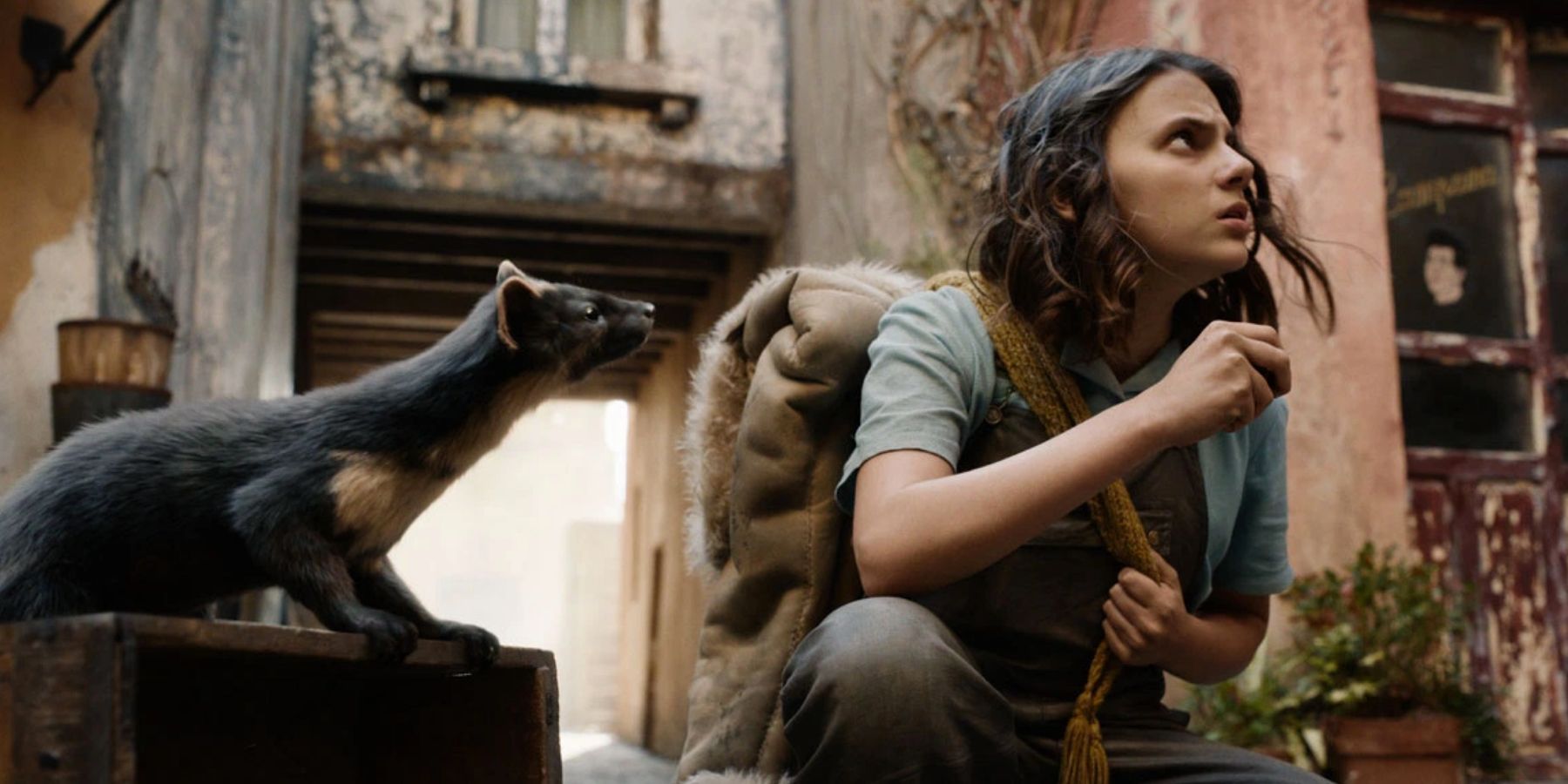
The Golden Compass wasn't exactly a loving portrayal of the famous novel series. It felt epic in scale but missed on many of the story beats and the technology available at the time held the film back in truly bringing the fantasy world to life. However, His Dark Materials is able to feel free in its storytelling.
The BBC and HBO series has a great budget to play around with, as it brings the fantastical creatures and polar bears to the real world, using techniques that create photo-realistic shots. It's a remarkable achievement and one that's quickly helping to cement the series as one of the best reboots in recent history.
1 Jumanji: Welcome To The Jungle (2017)
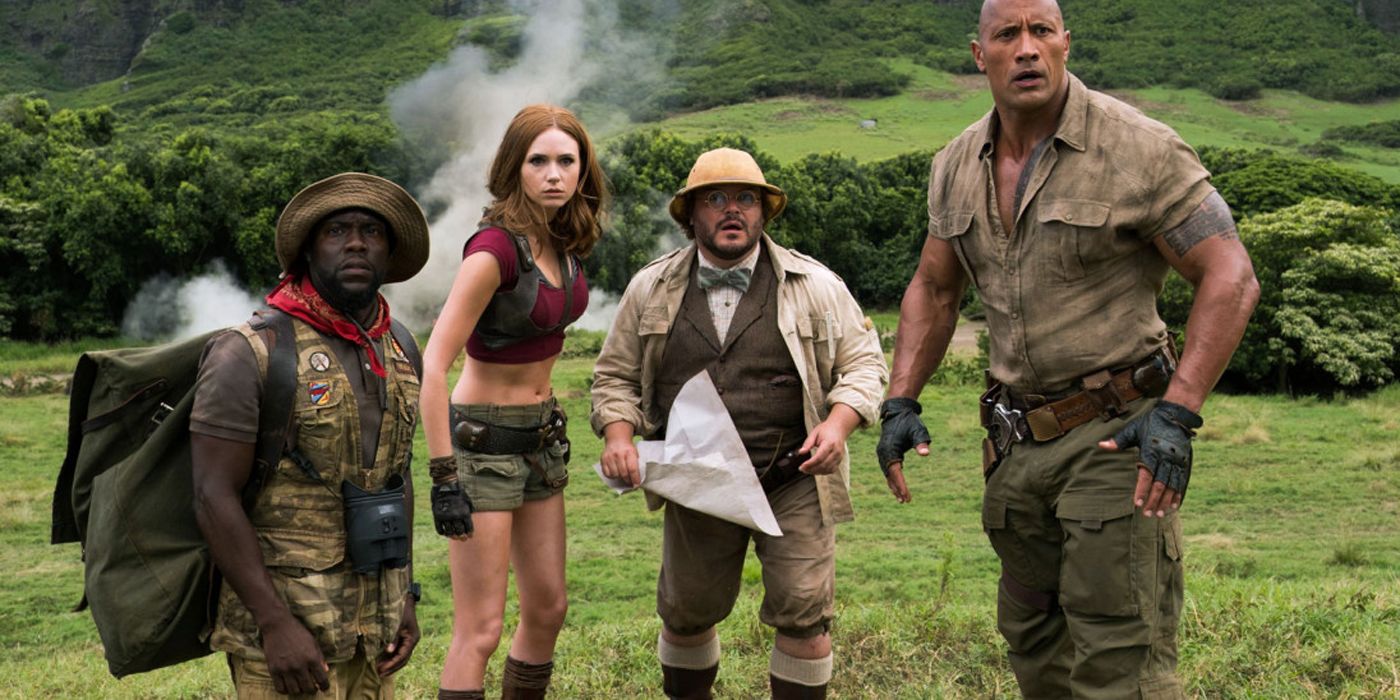
Another reboot that also acts as a sequel, Jumanji: Welcome To The Jungle actually changed the concept slightly, taking the traditional idea of the board game come to life and moving the narrative to a digital world. The video game elements had to be achieved through CGI.
There are some mesmerizing effects used in the original Jumanji but nothing looks quite as realistic as the animals living in the jungle of the reboot series. There's a whimsicality to this summer blockbuster thanks to its gaming features, from the computer-created weakness and strength cards to over-the-top respawns.
from ScreenRant - Feed https://ift.tt/2Zlgj2F


0 Comments